
Alignment Sticks in Golf: What They’re for and Whether They’re Worth Using
Icon Sportswire
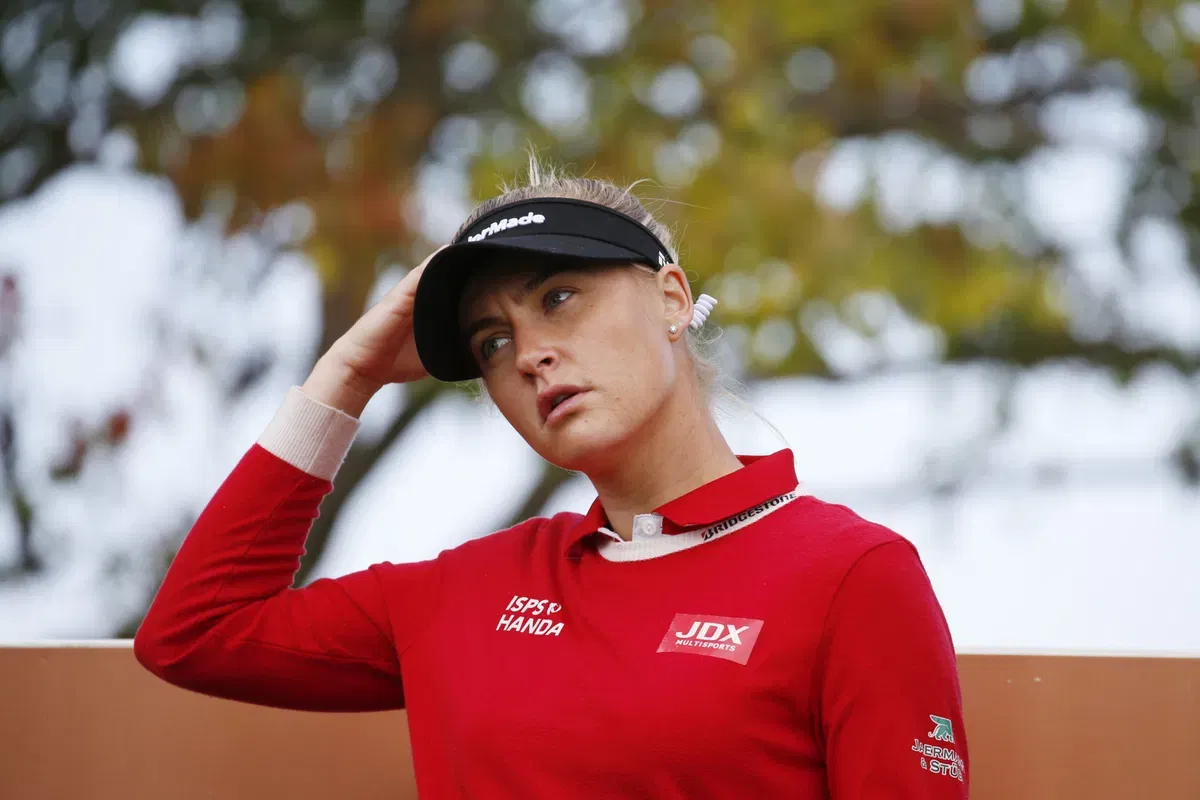
INDIANAPOLIS, IN - SEPTEMBER 27: LPGA, Golf Damen golfer Charley Hull waits on the 9th tee during the second round of the Indy Women In Tech on September 27, 2019 at the Brickyard Crossing Golf Club in Indianapolis, Indiana. Photo by Brian Spurlock/Icon Sportswire GOLF: SEP 27 LPGA - Indy Women in Tech Championship PUBLICATIONxINxGERxSUIxAUTxHUNxRUSxSWExNORxDENxONLY Icon270919260. Image Courtesy: IMAGO
Alignment sticks are everywhere on practice tees, yet many golfers still aren’t sure what they actually do. Their value isn’t in technology or complexity, but in how simply they expose setup and swing faults you’d otherwise miss.If one golf enthusiast found his ball position was off by barely an inch, then a single stick has the potential to correct it.
That’s the real purpose of alignment sticks: they reveal the small details that decide whether a shot starts on target or not. With that in mind, here’s everything you can do with alignment sticks.
What Alignment Sticks Are Actually For
At the simplest level, a stick laid parallel to your target line keeps your feet, hips, shoulders, and clubface working toward the same point. And once that foundation is set, the sticks do something more useful: they turn the range into a diagnostic tool.
Transitioning from setup to motion, they help with:
- Ball position consistency by giving you a fixed reference
- Swing-path control by creating a channel for the club
- Instant feedback when the club clips or collides with a rod
But their real value comes through when you use them to address common swing faults directly.
How They Really Change Your Swing
A recent drill series showed how two simple rods can address issues that usually require video or a teaching bay. Each drill uses the sticks as constraints. It takes the guessing out of practice because if you hit a stick, then either your body or the club moved incorrectly. Here's what those drills look like.
- Swing from the inside: Stick outside the ball to prevent an over-the-top move.
- Swing from the outside: Stick inside the ball to stop getting stuck too deep.
- Stop coming over the top: Two sticks forming a downswing lane.
- Control leg drive: A stick beside the lead hip to prevent early thrust.
- Stay in posture: Stick behind the trail hip to stop early extension.
- Stop swaying: Stick beside the trail leg for centered rotation.
- Get through the ball: Stick the outside lead foot to encourage full rotation.
Are Alignment Sticks Worth It?
If you want a training aid that reveals faults, builds consistency, and improves your mechanics without adding complexity. Yes, alignment sticks are absolutely worth using.
They won’t fix your swing alone, but they make every rep more accountable. For golfers chasing cleaner contact and straighter shots, they’re one of the smartest, most cost-effective tools you can own.
Written by

Dolly Bhamrick
Edited by

Sagnik Bagchi