
"An Airplane Crash": Jack Nicklaus’ Rarely Told Tragedy Before Making History
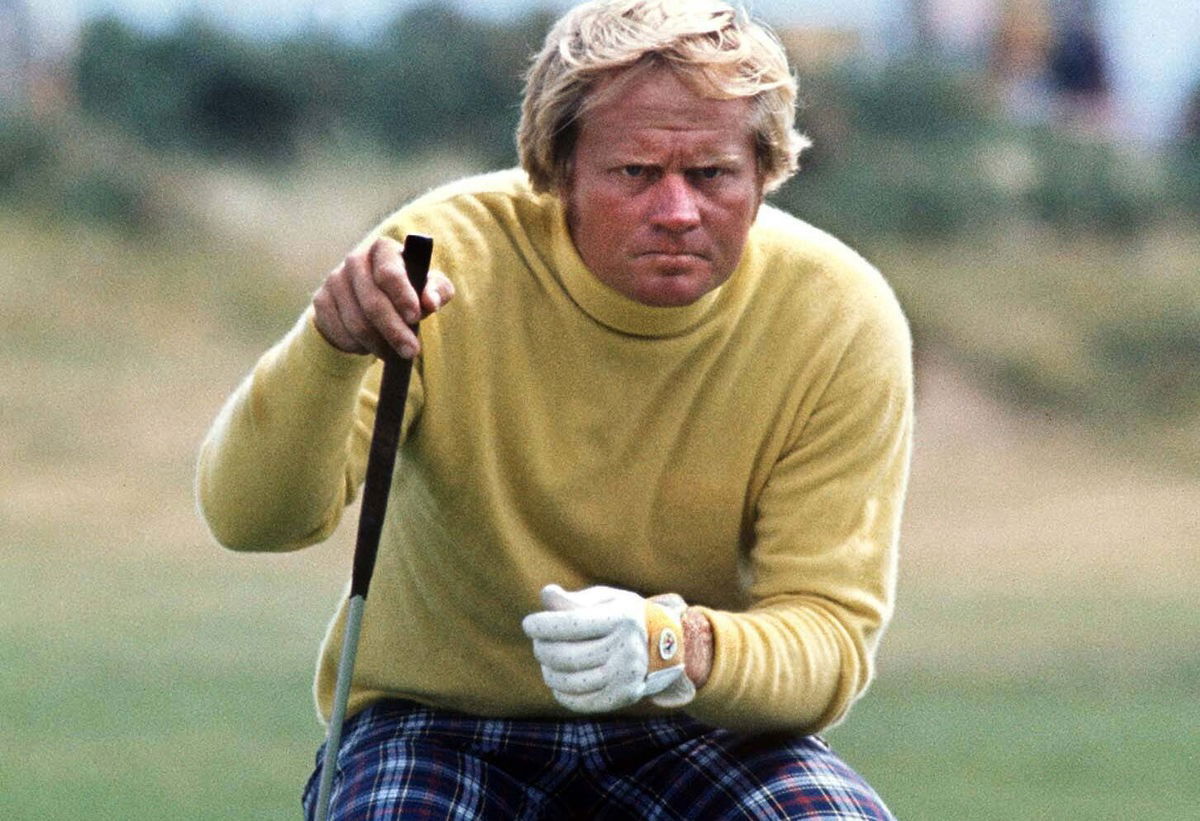
When Jack Nicklaus returned to Augusta in 1966, the challenge was already clear. What he did not know was how emotionally devastating the week would become.
He had won the 1965 Masters at a then-record 17-under-par 271, the only player that year to finish in double digits under par. He knew repeating would not be easy.
On the Wednesday night before the tournament, Nicklaus and his wife Barbara were preparing for bed when the phone rang. The call changed everything.
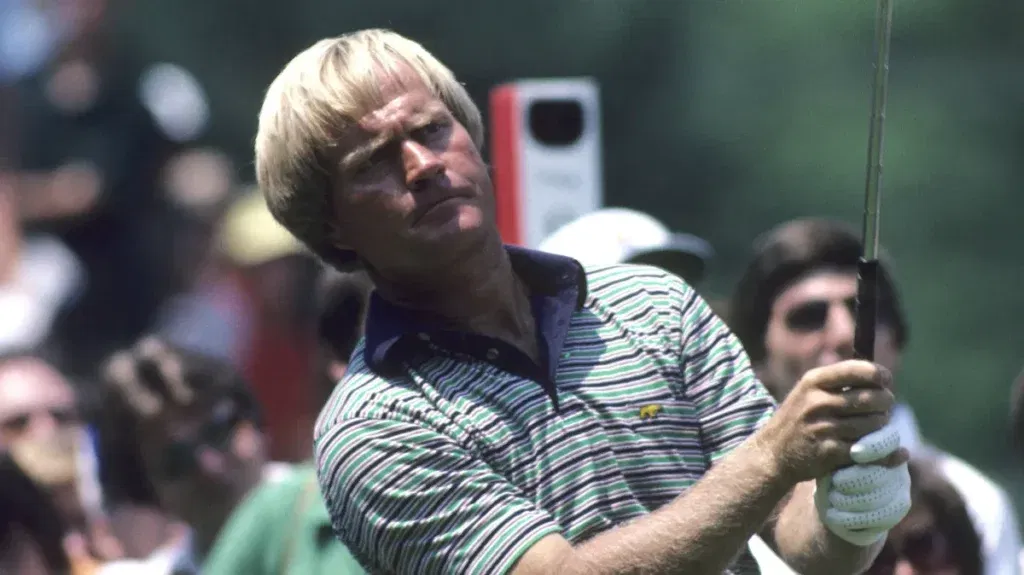
via Imago
Golf Jack Nicklaus at the 1980 US Open, Baltusrol Golf Club, Springfield NJ. Springfield New Jersey USA Copyright: xPaulxJxSutton/DUOMO/PCNx GO0801 106003
“My close friend Bob Barton and his wife, Linda, and Jim and Jeretta Long were coming down from Ohio, and they d*** in an airplane crash in Tennessee,” Nicklaus later said.
The two had played countless rounds together and shared hunting and fishing trips. They had even flown together to Canada for a duck-hunting trip on the same plane that once iced up over the Great Smoky Mountains.
“It was just shock,” Barbara said. “Jack was thinking, well, we need to go to Columbus.”
Naturally, Nicklaus wasn't thinking about golf. “I didn’t want to play, didn’t want to be part of it,” he said. “I would have rather spent my time with Bob’s sister, Margie, and their family.”
Leaving Augusta seemed like the right thing to do, and playing the Masters felt impossible. But as the shock settled, voices around Nicklaus began to shape a different decision.
Why Nicklaus Stayed and Played?
The decision to stay came from those closest to the tragedy. “I was convinced by everybody,” Nicklaus said. “Bob came down here to watch you play. You need to play.”
Barbara echoed that sentiment. “Every member of Bob’s family had said, ‘No, please stay. Bob would not want you to come home.’”
Nicklaus began the tournament with a 4-under 68, opening a three-shot lead. A second-round 76 erased that advantage, bringing him back into the pack. He steadied himself with a third-round 72, then posted an even-par round on Sunday to finish tied for the lead, setting up a three-way playoff with Tommy Jacobs and Gay Brewer.
At the time, the Masters decided on ties with an 18-hole playoff played on Monday. Nicklaus shot a composed 2-under 70, winning the playoff and becoming the first player to successfully defend a Masters title.
“Playing through that sadness, that’s what he did,” Barbara said. “But he’s also the kind of individual who can really concentrate when he needs to concentrate.”
That win turned him into the only player at the time who had won back-to-back Masters. It was a record that stood for two more decades before Nick Faldo in the late 1980s. More importantly, it was his third Masters win in four years, a prelude to a golf career that ended with 18 majors.
Written by

Dolly Bhamrick
Edited by

Siddharth Shirwadkar