5 Equipment Deals That Went Horribly Wrong for Golf's Biggest Stars, as Per Golf Digest
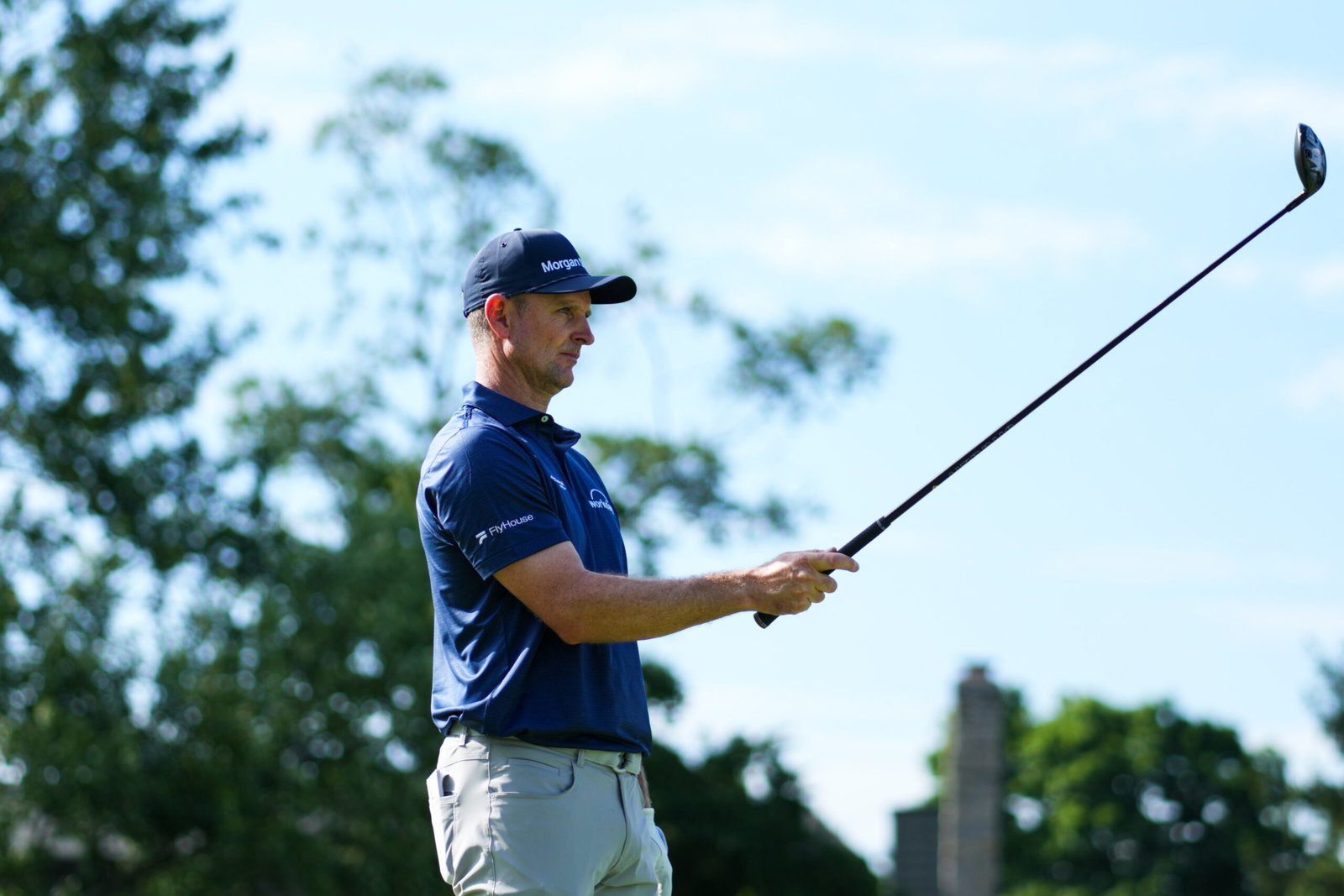
Jun 5, 2026; Dublin, Ohio, USA; Justin Rose prepares to play his shot from the 18th tee during the second round of the Memorial Tournament presented by Workday golf tournament. Mandatory Credit: Aaron Doster-Imagn Images
Jun 5, 2026; Dublin, Ohio, USA; Justin Rose prepares to play his shot from the 18th tee during the second round of the Memorial Tournament presented by Workday golf tournament. Mandatory Credit: Aaron Doster-Imagn Images
Pro golf has a longer history of equipment deals gone wrong than most fans realize, and Golf Digest just laid out five of the most memorable ones.
Golf Digest contributor Jonathan Wall published the piece on August 14, 2025, covering five high-profile equipment partnerships that looked strong on paper and collapsed on the course. The list spans three decades and includes major champions across multiple eras of the sport.
"Every pro enters an equipment deal hoping it'll lead to better performance, maybe a few wins and a healthy payday," Wall wrote. "But golf is a feel game, and when the clubs don't suit a player's eye or swing, things can unravel quickly."
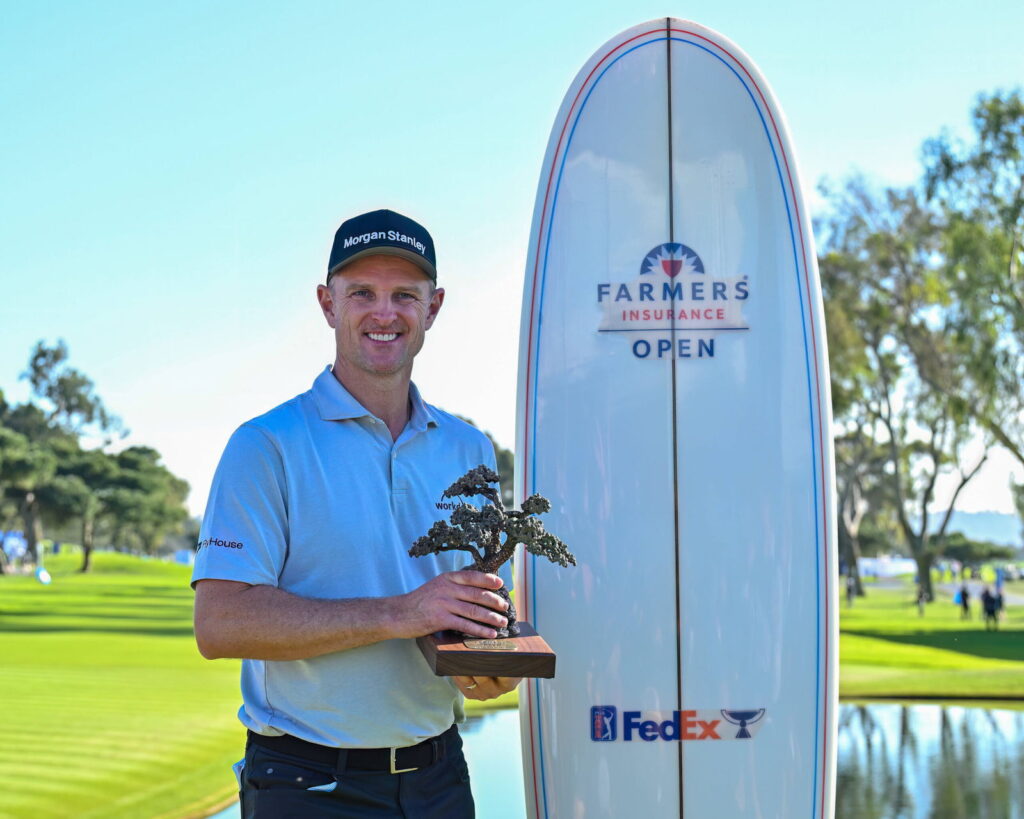
February 01, 2026: Justin Rose holds the championship trophy after winning the Farmers Insurance Open on Torrey Pines South Course in San Diego, California. /CSM San Diego USA - ZUMAc04_ 20260201_zma_c04_146 Copyright: xJustinxFinex
February 01, 2026: Justin Rose holds the championship trophy after winning the Farmers Insurance Open on Torrey Pines South Course in San Diego, California. /CSM San Diego USA - ZUMAc04_ 20260201_zma_c04_146 Copyright: xJustinxFinex
The list by Golf Digest comprised top players such as Justin Rose and Payne Stewart.
Justin Rose signed a multi-year deal with Japanese brand Honma in January 2019, after two decades with TaylorMade. He won in his second start with the gear.
By Bay Hill weeks later, not a single Honma club remained in the bag. Both sides confirmed the split by May, less than six months after signing.
Nick Price left Ram after winning two majors in 1994 for a 10-year, $2.5 million-per-year deal with lesser-known Atrigon Golf.
The company collapsed by the end of 1996. Atrigon asked Price to return the $3 million he had already received. He declined.
Payne Stewart reportedly received $7 million from Spalding in 1994 to use their cavity-back irons.
However, the clubs did not fit his playing style. After finishing sixth on the money list in 1993, he dropped to 123rd place the next year.
Corey Pavin signed a five-year deal worth several million dollars with Japanese equipment company PRGR in 1997. He signed the deal two years after winning the 1995 U.S. Open at Shinnecock Hills.
During the five years of the contract, he never finished inside the top 100 on the money list.
Curtis Strange signed with Japanese clubmaker Maurman in 1994. The irons did not match his preferences.
The driver lacked the performance needed to keep pace with the power era developing around him. Results faded.
There are also certain commonalities in the collapses of these deals.
Golf Digest's Worst Equipment Deals and What Each Story Has in Common
Every player on Golf Digest's list had already achieved a lot before signing. Rose had won a major championship. Price had won two majors in the same season. Stewart had won two majors. No one doubted their talent or achievements.
Each deal on the list involved a player who was playing at a very high level when they signed with an equipment company.
But the equipment did not work for them in the course. Some lasted less than six months. Others ran for years before the damage became clear.
But each player had a different problem.
For Rose, the clubs did not feel comfortable. With Price, the company went out of business, and for Stewart, the clubs did not match his playing style. For Pavin, the driver reduced his distance at a time when power was very important in golf.
For Strange, both the irons and the driver did not suit his preferences.
Do you think tour players put too much at stake when they sign long-term equipment deals? Let us know in the comments.
Read more at Club Golf!
Written by

Sneha Abraham
Edited by

Surjo Ray