
How Bobby Jones’ Masters Dream Nearly Failed Before Becoming Golf’s Crown Jewel
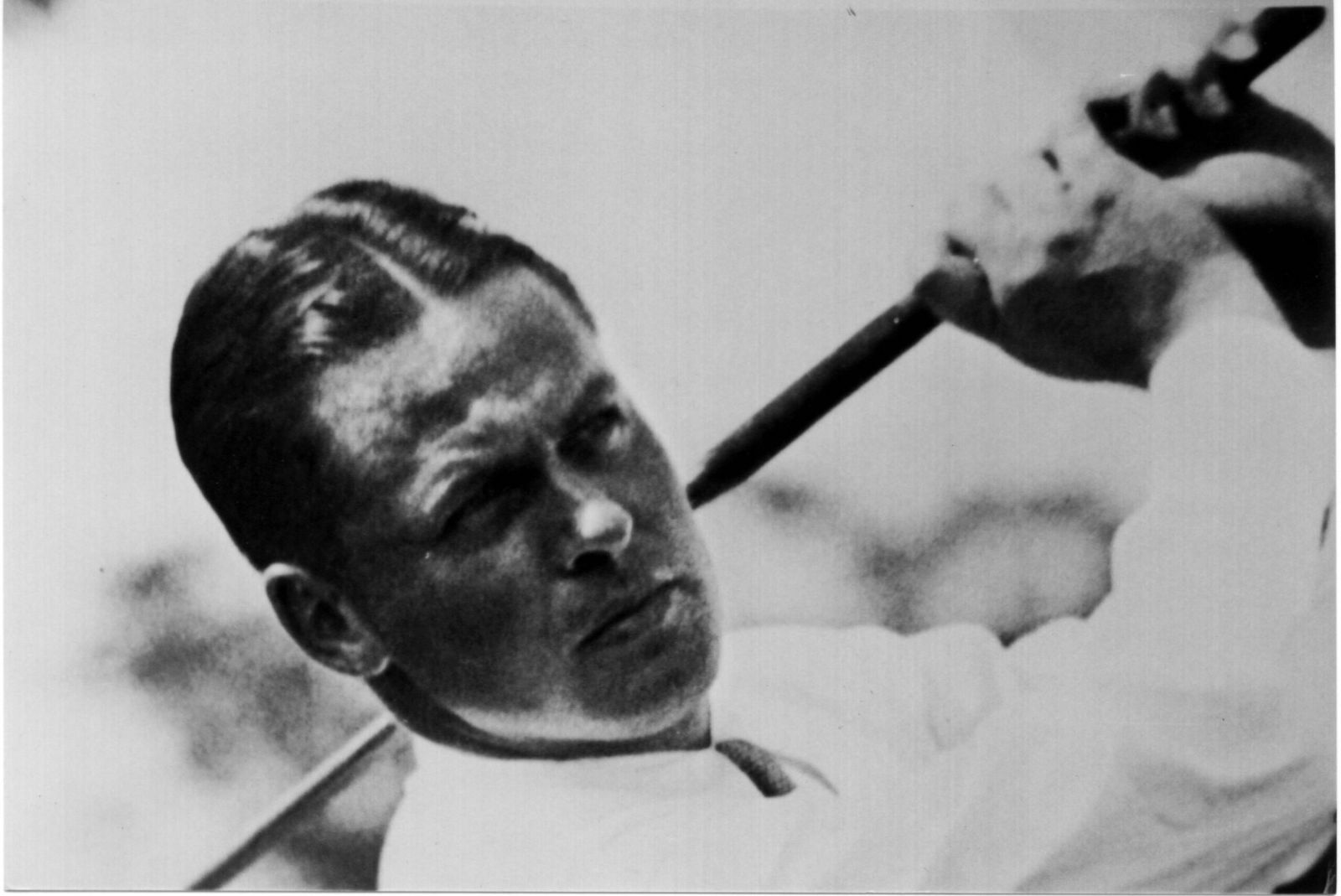
The Masters did not begin as a certainty. Back in 1934, when Ralph Stonehouse and Johnny Kinder hit the opening shots at Augusta National Golf Club, no one thought it would become golf’s biggest stage.
The country was still coming out of the Great Depression. Travel wasn’t easy. Crowds were small. And several top players simply didn’t show up.
Even so, most of the attention was on Bobby Jones, who returned after stepping away from the game in 1930.
The story did not stay quiet for long. Writers quickly turned it into “Bobby Jones vs. the world,” making it feel like a direct challenge between Jones and the players he had invited.
The media pushed that idea further. As Ralph McGill wrote, “The audacity of his gesture in inviting the greatest field in golf to meet him here has caught the public’s attention like nothing else.”
Jones, however, approached the week as a host, not someone trying to prove he was still the best. He was more focused on building the tournament than winning it.
How Bobby Jones Turned Defeat Into the Masters’ Foundation
13-time major winner Bobby Jones clarified his intentions, saying, “Yes, I want to win every tournament in which I play… But the odds are great here against any individual winning.”
In contrast, fellow competitor Paul Runyan offered a more direct view: “I do not believe Bobby stands much of a chance… golf has become a much faster game.”
The tournament relied heavily on Bobby Jones’ name, with little to show it could stand on its own.
When play began, those doubts showed. Jones struggled to keep pace and later admitted during the round, “I damn near made 5 there, Paul. Can you imagine that?” Horton Smith took the win, finishing well ahead. Jones was ten shots back.
But that wasn’t really the story. People still focused on Jones, and that’s what helped shape what the tournament became. By losing, he showed it was bigger than him. And that gave it real credibility.
Jones himself confirmed that direction, stating, “I have no idea of returning to open competition. I hope to have this Masters tournament an annual affair.” A year later, Gene Sarazen delivered a defining moment, reinforcing what Jones had begun.
Without Bobby Jones, the Masters does not become what it is today. Not because the idea was flawed, but because no one else could execute it with the same authority, network, and vision.
The tournament didn’t survive its early years by chance. It survived because Jones built something strong enough to outlast him.
Take Jones out of the equation; does the Masters even survive its early years? Share your thoughts in the comments below.
Read more at Daily Club Golf!
Written by

Aditi Singh
Edited by

Pulkit Prabhav