PGA Tour Stopped PIP Bonus; Here's Why
Imago
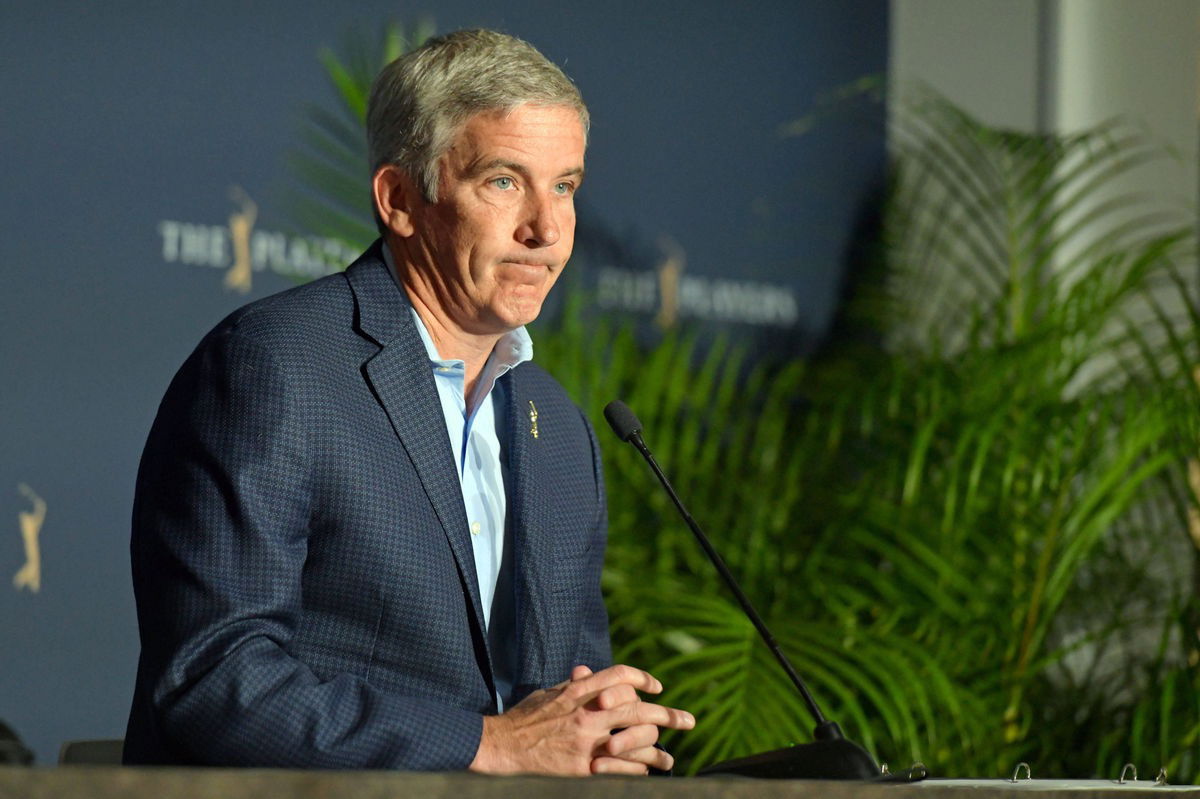
PGA, Golf Herren THE PLAYERS Championship – press conference, PK, Pressekonferenz March 13, 2020 Ponte Vedra Beach, FL, USA PGA Tour commissioner Jay Monahan talks about the decision to cancel the last three days of The Players Championship because of the coronavirus during a press conference Friday, March 13, 2020 in Ponte Vedra Beach, Florida. […]
The decision by the PGA Tour to scrap its controversial Player Impact Program (PIP) has sent shockwaves through professional golf. The Tour launched it in 2021 to reward “impactful” players with hefty bonuses for their visibility and popularity off the course.
But by late 2024, the Tour signaled that PIP would be discontinued ahead of the 2025 season, closing one of its most debated initiatives. It replaced the program with the Player Equity Program (PEP), which launched in Hawaii and provides all members with recurring equity grants.
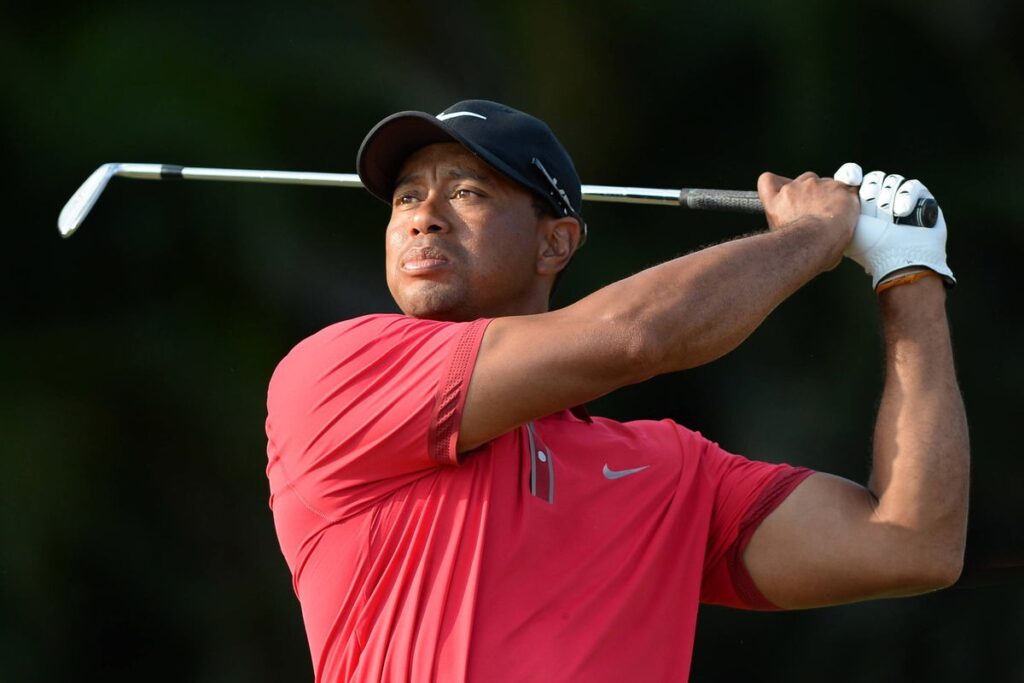
Now, with PIP gone, the Tour’s reasons for ending it offer a revealing look into its shifting priorities. For years, PIP funneled massive bonuses to a handful of already-established names like Tiger Woods without any real gain.
The system’s vulnerabilities became even clearer as players kept signing with LIV Golf. Several early top-10 PIP finishers, like Bryson DeChambeau, Bubba Watson, Phil Mickelson, Dustin Johnson, and Brooks Koepka, left for LIV Golf soon after collecting their bonuses. Their moves underscored how the Tour’s payouts couldn’t compete with LIV’s guaranteed contracts, and many players likely used their PIP standing as leverage during negotiations.
At a time when player retention, financial stability, and structural reforms were urgent priorities, the program increasingly looked like an expensive experiment. Players also questioned its transparency and fairness, especially when those with minimal starts earned disproportionately more than full-schedule competitors.
As new rival leagues reshaped player expectations, the PGA Tour faced pressure to provide broader financial stability. Redirecting PIP’s tens of millions into equity grants, stronger purses, and performance-based systems made far more strategic sense. The Tour could no longer justify pouring money into popularity indicators while trying to build a more merit-driven competitive model.
Why Ending PIP Became the Smart Play
Perception became another breaking point. When Woods or other limited-appearance players repeatedly topped the rankings, critics argued the system rewarded fame over contribution. Fans didn’t see meaningful increases in engagement, and players didn’t feel the program reflected true competitive value.
The data reinforced the issue that it simply wasn’t moving interest or storytelling in the way the Tour had hoped. In fact, it didn't even stop the PGA losing players ot LIV Golf. So ending PIP was ultimately a strategic correction.
The Tour freed resources, reduced internal friction, and shifted focus toward payouts tied to performance and long-term competitiveness. The golfers felt theimpact too, in the form of balanced distributions, richer competitive pathways, and a system that rewards results.
Written by

Dolly Bhamrick
Edited by

Sagnik Bagchi