PGA Tour’s Real History: From Its Split With the PGA of America to a $12 Billion Organization
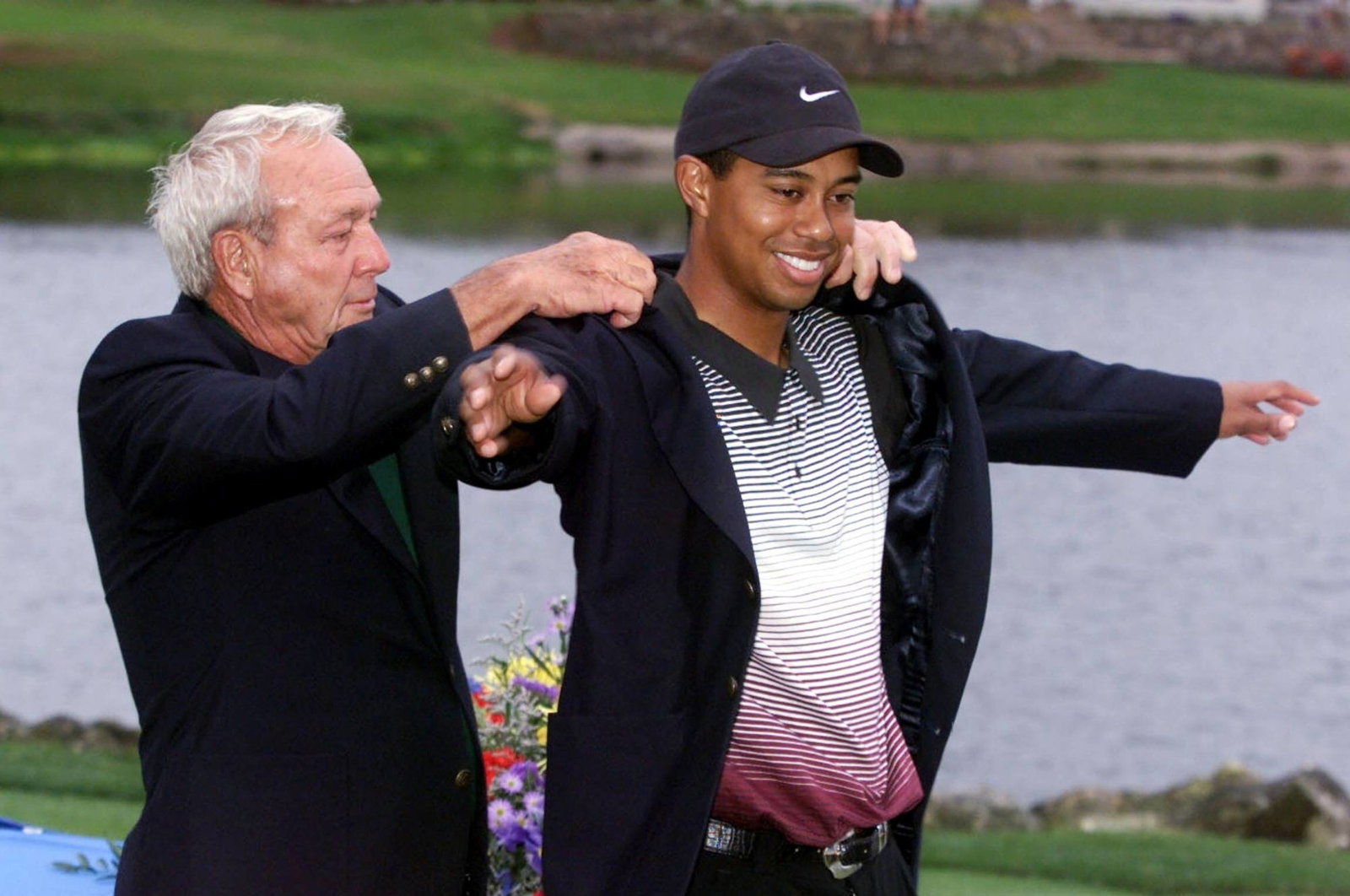
U.S. - KRT SPORTS STORY SLUGGED: BAYHILL KRT PHOTOGRAPH BY GARY BOGDON/ORLANDO SENTINEL (KRT1 - March 19) Tiger Woods, winner of the Bay Hill Invitational 2000, is receives his symbolic blue jacket from PGA Golf Herren legend Arnold Palmer. - ZUMAm67
U.S. - KRT SPORTS STORY SLUGGED: BAYHILL KRT PHOTOGRAPH BY GARY BOGDON/ORLANDO SENTINEL (KRT1 - March 19) Tiger Woods, winner of the Bay Hill Invitational 2000, is receives his symbolic blue jacket from PGA Golf Herren legend Arnold Palmer. - ZUMAm67
Over 8000 members from over 80 countries, tournaments held across six continents, and millions of dollars given to athletes every year, the PGA has built an empire. But it wasn’t easy! After all, it took decades of work, multiple setbacks, and triumphs to get to become the $12 billion giant. It’s time to rewind to over a century ago…
Back to 1916, when the PGA Tour didn’t exist as an independent body. It functioned under the Professional Golfers’ Association of America, run mainly by club professionals. Pro golfers competed in various events, yet the sport had no voice in governance. By the early ‘20s and '30s, golfers played around in state tournaments, but a lack of governance remained for decades, until the sport grew, and the gap became too visible to ignore. But the tensions escalated in the ‘50s and ’60s.
Touring pros were becoming full-time athletes, traveling coast to coast and driving big revenue, yet club pros still ran the show. The mismatch grew sharper each year, creating a tension impossible to ignore. It came to a head in 1968, when touring players finally pushed back, and the Tournament Players Division (TPD) formed. Despite being tied to the PGA of America, the message was unmistakable: ‘players wanted control.’
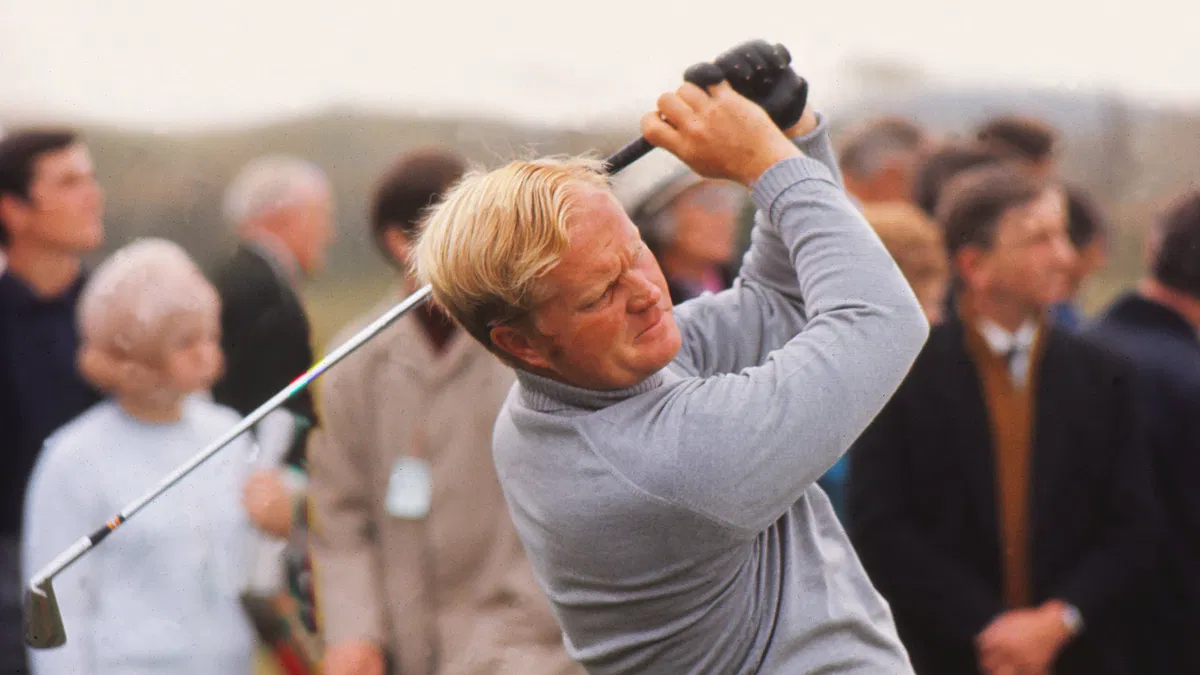
Everything accelerated under Commissioner Deane Beman (1974–1994). Beman rebuilt the system from the ground up, introducing the Players Championship, the Senior Tour, and the Developmental Tour. His push for consistent TV deals and professionalized operations finally positioned the organization for full independence. But all of it was nothing compared to the real kicker.
By 1975, the rebrand to the PGA Tour made the separation official. The Tour and PGA of America still collaborate on select events, but from this point forward, governance firmly belongs to the players. A new era arrived in 1997 with Tiger Woods, called the Tiger Boom. His impact wasn’t symbolic, but financial. Ratings spiked, sponsors poured in, and prize money climbed at unprecedented speed. The Tour’s economic engine shifted permanently. Golf began to change with time.

In 2007, the FedEx Cup was introduced by the commissioner, Tim Finchem. His idea brought season-long points, playoffs, and massive bonus prizes. There was even new tech coming! The ShotLink system brought innovative stats such as Strokes Gained, radically changing the way performance was evaluated by fans, media, and players.
LIV Golf’s arrival in 2022 forced the Tour to raise purses, launch Signature Events, and guarantee minimum earnings. The final shift came in 2024, when the Strategic Sports Group (SSG) investment valued the new PGA Tour Enterprises at roughly $12 billion, marking a major commercial transformation.
What do you think about the Tour’s journey from wanting more control to separating from the PGA of America? Let us know in the comments below!
Written by

Siddharth Shirwadkar
Edited by

Joyita Das