
Phil Mickelson’s Earnings Gap: He Made Over 4× More in His Last Five Years Than His First Five
USA Today via Reuters
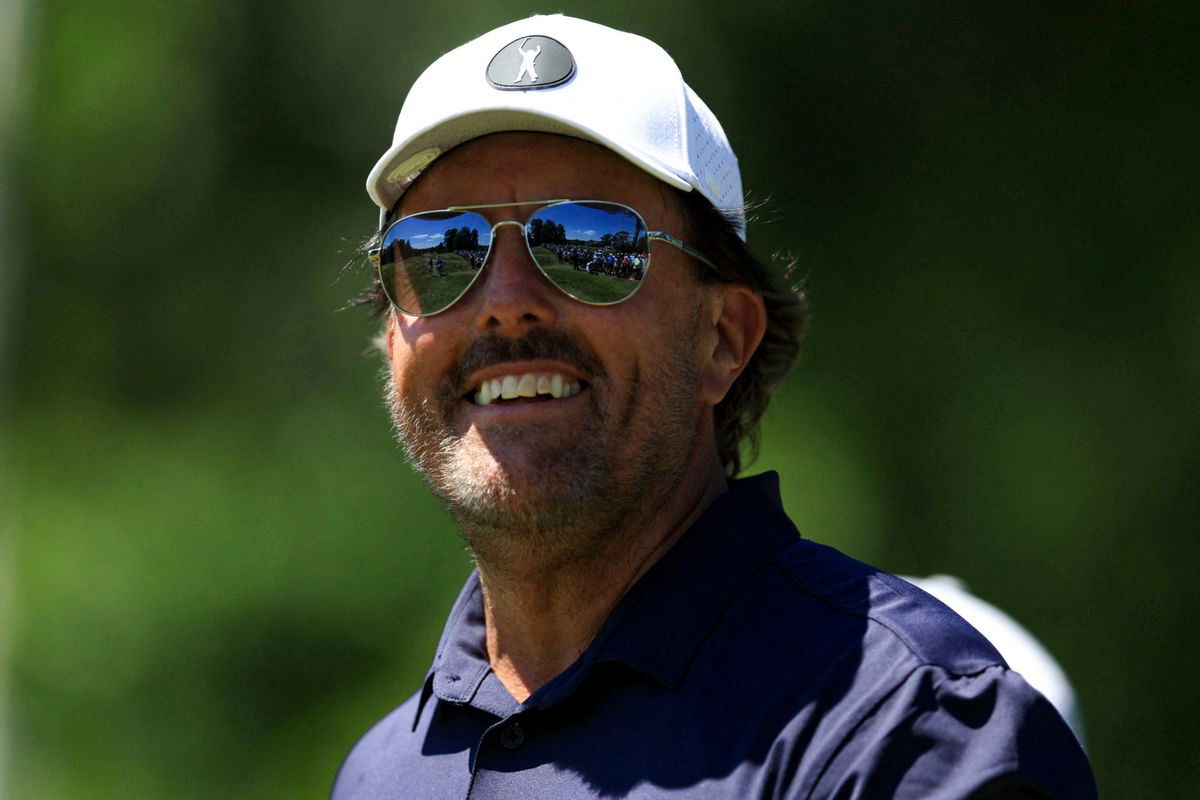
Jun 14, 2022; Brookline, Massachusetts, USA; Phil Mickelson smiles from the ninth tee during a practice round of the U.S. Open golf tournament at The Country Club. Mandatory Credit: Aaron Doster-USA TODAY Sports
Phil Mickelson’s career has always been rich with highlights: Six major championships, iconic shots, and decades of relevance. But the real surprise isn’t in his trophies. Despite breaking through early, Mickelson earned over four times in his last five years as he did in his first. So what do the numbers look like?
In his first five professional years, Mickelson earned $4,109,055. Those were strong numbers for a rising player, especially one who would eventually claim six major championships. Yet compared to what came later, those early earnings look modest.
In his last five years, Phil’s income soared to $22,704,650. Now the question is: What's the reason behind the late-career boom?
To begin with, golf changed. Prize money increased dramatically across tours, and experienced, marketable players benefited the most. Mickelson wasn’t just playing; he was winning at key moments.
Icon Sportswire
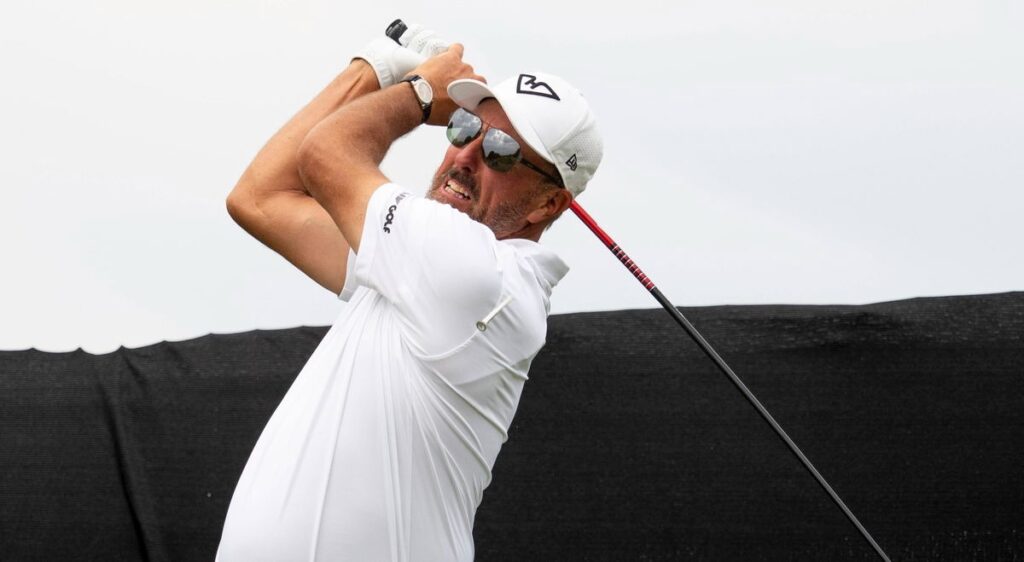
PLYMOUTH, MI - AUGUST 23: Phil Mickelson drives the ball off the tee box during round two of the LIV Golf Team Championship Michigan at The Cardinal at Saint John s Resort in Plymouth, MI on August 23, 2025. Photo by Joseph Weiser/Icon Sportswire GOLF: AUG 23 LIV Golf Team Championship Michigan EDITORIAL USE ONLY Icon25082326
Phil Mickelson then shocked the world with his 2021 PGA Championship victory at age 50. He became the oldest major champion ever. It only heightened his relevance and visibility. Yet, the PGA had nothing to do with the massive earnings.
Phil Mickelson’s Next Big Boost
Mickelson’s biggest financial jump came after joining LIV Golf in 2022. His reported $200 million contract instantly reshaped his late-career earnings, giving him guaranteed money the PGA Tour never offered. On top of that, as per Spotrac, Mickelson has earned $11,943,326 in LIV prize money alone.
Lefty's first LIV season included just one top-10 finish. Yet the league ensured he still collected significant payouts. In 2023, he added another top-10 but again finished outside the top tier on the points list. Even so, the combination of appearance guarantees, team earnings, and Phil Mickelson's role as captain of the HyFlyers GC kept the big paychecks coming regardless of on-course inconsistency.
This is why the earnings gap matters: in his early PGA Tour years, prize money depended entirely on finishes, and total purses were far smaller. At LIV, Mickelson’s value wasn’t tied only to performance, but to his star power, team leadership, and the league’s financial model, which paid Phil Mickelson even without wins.
Most players see their earnings drop as their performance declines. Mickelson went the opposite direction. His LIV deal and payouts became the single biggest reason his last five years totaled $22.7 million.
In Phil Mickelson’s case, the late-career boom wasn’t about a surge in form. It was about leverage, timing, and a league willing to pay a premium for his presence.
Written by

Dolly Bhamrick
Edited by

Sagnik Bagchi