
Story Behind Augusta's 13th Hole and the Risk That Defines Masters Champions
via Usta
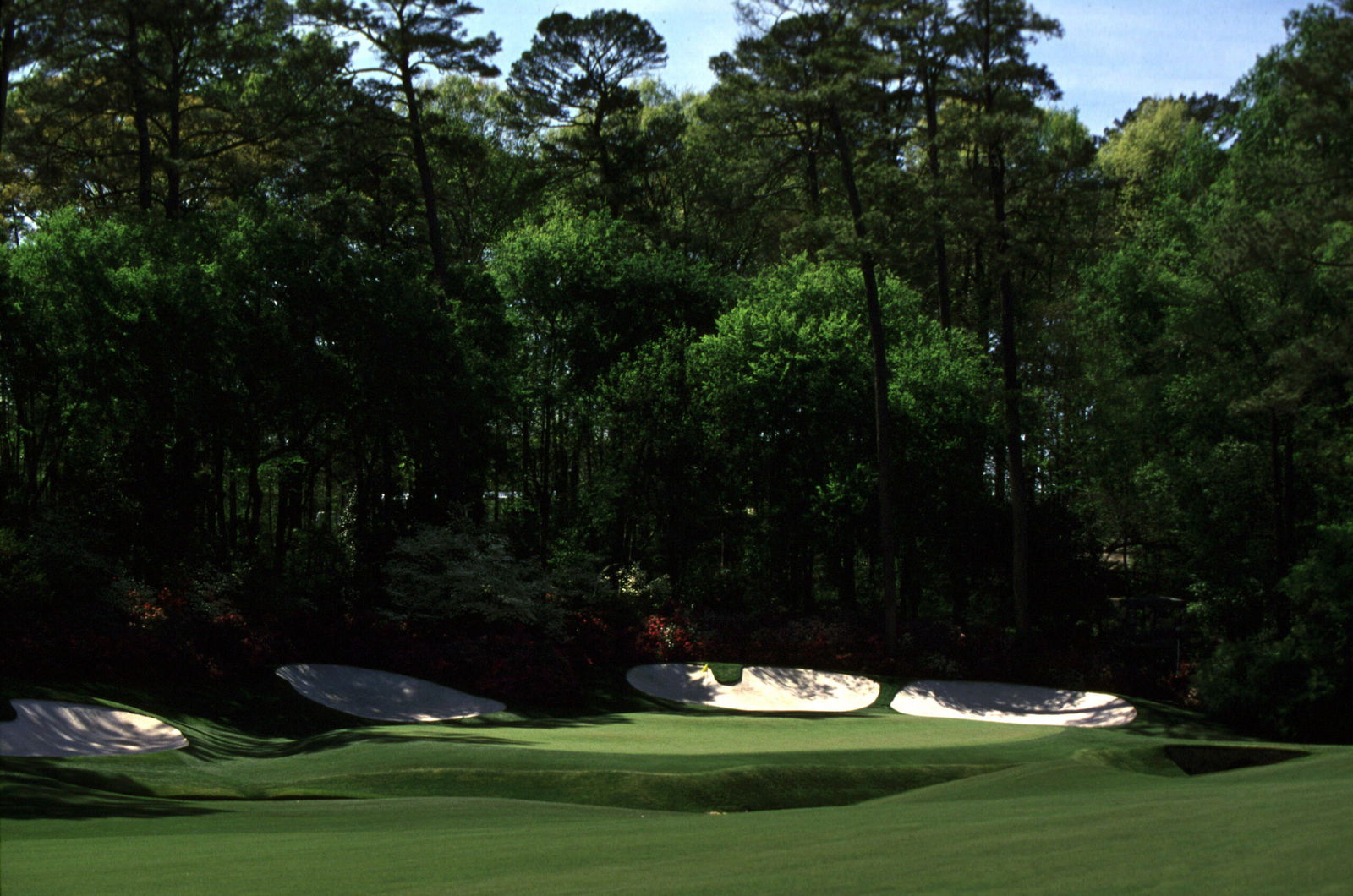
950405/Photo MARK NEWCOMBE/VISIONS IN GOLF AUGUSTA NATIONAL GOLF COURSE 13TH HOLE Copyright: xMARKxNEWCOMBE/VISIONSxINxGOLFx
When walking onto the 13th tee at Augusta, something will shift. The azaleas are everywhere. The fairway bends left and right. Running alongside the entire hole is Rae's Creek... quiet, patient, and waiting.
Every player who has stood on that tee since 1934 has felt it. Players feel both the urge to go for it and the fear of what might happen if they try.
The 13th hole is a par-5 and now plays 545 yards. In the first Masters, it was only 480 yards. Ever since then, the hole has grown, but the question it asks has never changed.
The creek runs along the left side the whole way, then cuts right across the front of the green. Go left off the tee, and the hole opens up. If a player misses slightly, the water comes into play. When going right, you're safe, but now the second shot is harder and longer from a bad lie with pine needles potentially in the mix.
Bobby Jones put it simply in 1959.
via Usta
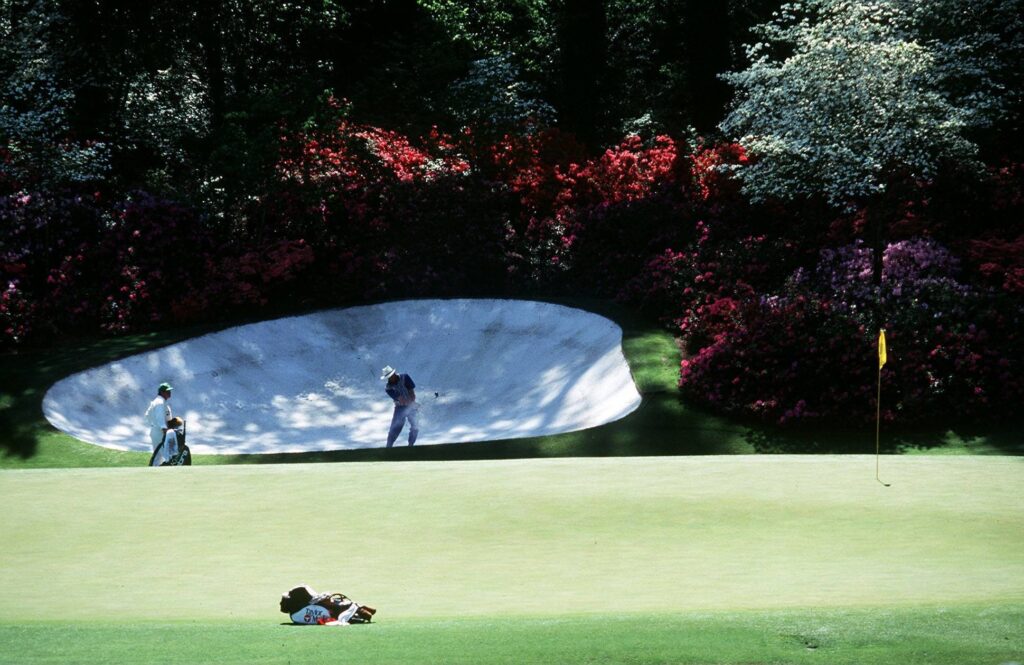
Golfplatz Augusta USA. - Loch 13 - .Hier findet jährlich das Golf Masters statt.Aufgenommen 04.04.1999. Amen Corner Augusta National Golf Course , Augusta Georgia USA *** Golf course Augusta United States 13th hole here is every year the Masters golf instead recorded 04 04 1999 Amen Corner Augusta National Golf course Augusta Georgia USA
"A player who dares the creek on either the first or second shot may very easily encounter a 6 or 7," Jones said.
"Yet the reward of successful, bold play is enticing."
That's been true every single April since.
From Nelson to Mickelson: What Augusta's 13th Demands of Its Champions
Byron Nelson needed a miracle in the 1937 final round, and he found one right here. An eagle at 13 and a birdie at 12 wiped off six shots from Ralph Guldahl's lead across two holes.
That moment is something that no one has forgotten. The bridge by the tee still has his name on it. Seventeen years later, Billy Joe Patton walked onto this tee on a Sunday afternoon tied with two legends. Ben Hogan on one side, Sam Snead on the other. Patton was an amateur.
The green was reachable, and later he went for it. The ball drifted, caught the bank, and rolled in; double bogey, one shot out of the playoffs, and history, just out of reach.
Ben Crenshaw had heard that story plenty of times by 1994. When his turn came at 13, he didn't try to be a hero. He laid up, made par, and picked up the green jacket two days later.
Then there's Phil Mickelson in 2010. In the final round, with two shots ahead, his tee shot was buried in the pine straw with two trees blocking everything. But his caddie probably wanted a wedge back to the fairway, and that's when Mickelson pulled a 6-iron.
He found the gap and then cleared the water. Finally, the ball finished 5 feet away for a birdie.
The shot secured his third Masters title.
The numbers tell both sides of this hole's story. Six-under for the week, nine times. Five-over, six times. Tommy Nakajima carded a 13 in 1978, the worst the hole has ever seen. Jeff Maggert made the only competitive double eagle in 1994.
Dr. Alister MacKenzie walked this ground with Jones in 1931 and said the hole was basically already there. It just needed a tee and a green.
It took ninety years of heartbreak and heroics to really understand what he meant.
Written by

Sneha Abraham
Edited by

Shraabona Sengupta