
The Quiet Transformation of Golf Through Modern Ball Design
Imago
@GoldenAgeBid/ X
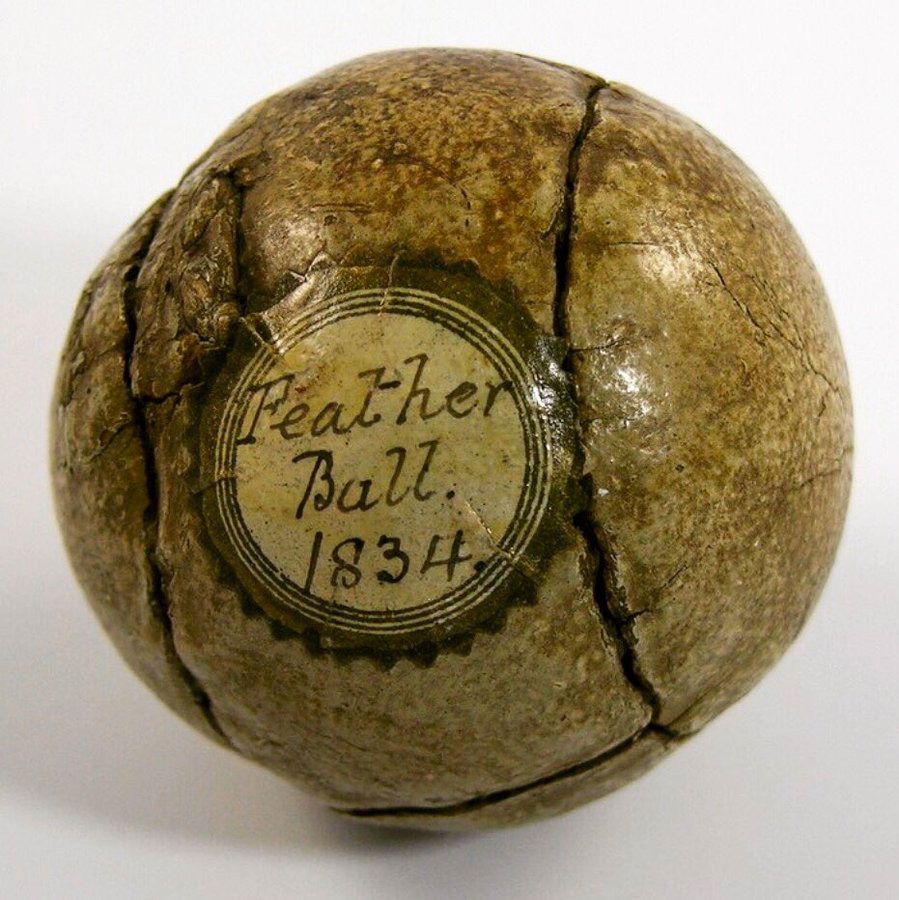
Golf’s quietest revolution started not with titanium drivers but with balls hand-packed with boiled goose feathers. Today’s designs may look simple, but they hide engineering that reshapes distance, control, and even strategy. Understanding this evolution reveals how a small white sphere became one of sport’s most sophisticated innovations.
If you haven’t followed golf closely, you might assume the sport hasn’t changed much—same fairways, same clubs, same little white ball. Yet, behind that small sphere sits one of the stealthiest technological revolutions in modern sports. And it didn’t make noise; it simply changed how far, how high, and how precisely players can hit the ball.
Amateurs suddenly reached greens they never could. And governing bodies began debating distance regulations. In other words, a subtle shift in design quietly rewrote how the game feels, plays, and measures skill.
From Feathers to Polymers: A Shift Hidden in Golf Ball
For centuries, golf balls evolved at a snail’s pace, from feather-stuffed leather skins to gutta-percha to rubber-core wound balls. However, the last decade quietly outpaced all of it. While club design grabbed headlines, manufacturers were reshaping the ball’s inner architecture—layer by layer—to boost speed, reduce drag, and fine-tune spin.
And here’s the interesting part: now golf balls are made in a way so they work more like powerful machines than basic sports gear.
The Last 10 Years: Innovation at Full Speed
Over the past decade, as equipment evolved across the board, ball technology became the hidden accelerator.

USTA
Sport Bilder des Tages 240413 Scottie Scheffler of the United States during the third round of the 2024 Masters Golf Tournament on April 13, 2024 in Augusta. Photo: Petter Arvidson / BILDBYRAN / kod PA / PA0794 bbeng golf masters the masters Augusta us masters *** 240413 Scottie Scheffler of the United States during the third round of the 2024 Masters Golf Tournament on April 13, 2024 in Augusta Photo Petter Arvidson BILDBYRAN kod PA PA0794 bbeng golf masters the masters Augusta us masters PUBLICATIONxNOTxINxSWExNORxAUT Copyright: PETTERxARVIDSON BB240413PA112
- Materials got smarter, reacting differently on drivers versus wedges.
- Dimples became aerodynamic systems, not just textures.
- Compression science advanced, allowing balls to fit different swing types rather than forcing players to adapt.
And because these changes arrived gradually, many golfers didn’t realize how dramatically performance had jumped—until they saw their own distance charts.
A Transformation You Can Feel, Not See
Unlike bigger drivers or sleeker irons, the golf ball doesn’t visually announce its upgrade. It simply behaves differently. It launches higher, holds its line better, and lands with more purpose. Even beginners notice the difference, often without knowing what changed.
That’s the beauty of this story: golf evolved right under everyone’s nose, powered by a piece of equipment most people write off as basic.
As technology continues to advance, golf navigates the balance between innovation and tradition. And the ball, small, simple, underestimated, remains at the center of that conversation. Because sometimes the biggest transformations happen in the smallest packages.
Written by

Dolly Bhamrick
Edited by

Oajaswini Prabhu