
Tuesday, June 9, 2026Sports Chronicle
DailyClubGolf

Tiger Woods and Bob May’s 2000 PGA Championship Duel Still Stands Among Golf’s Greatest Battles
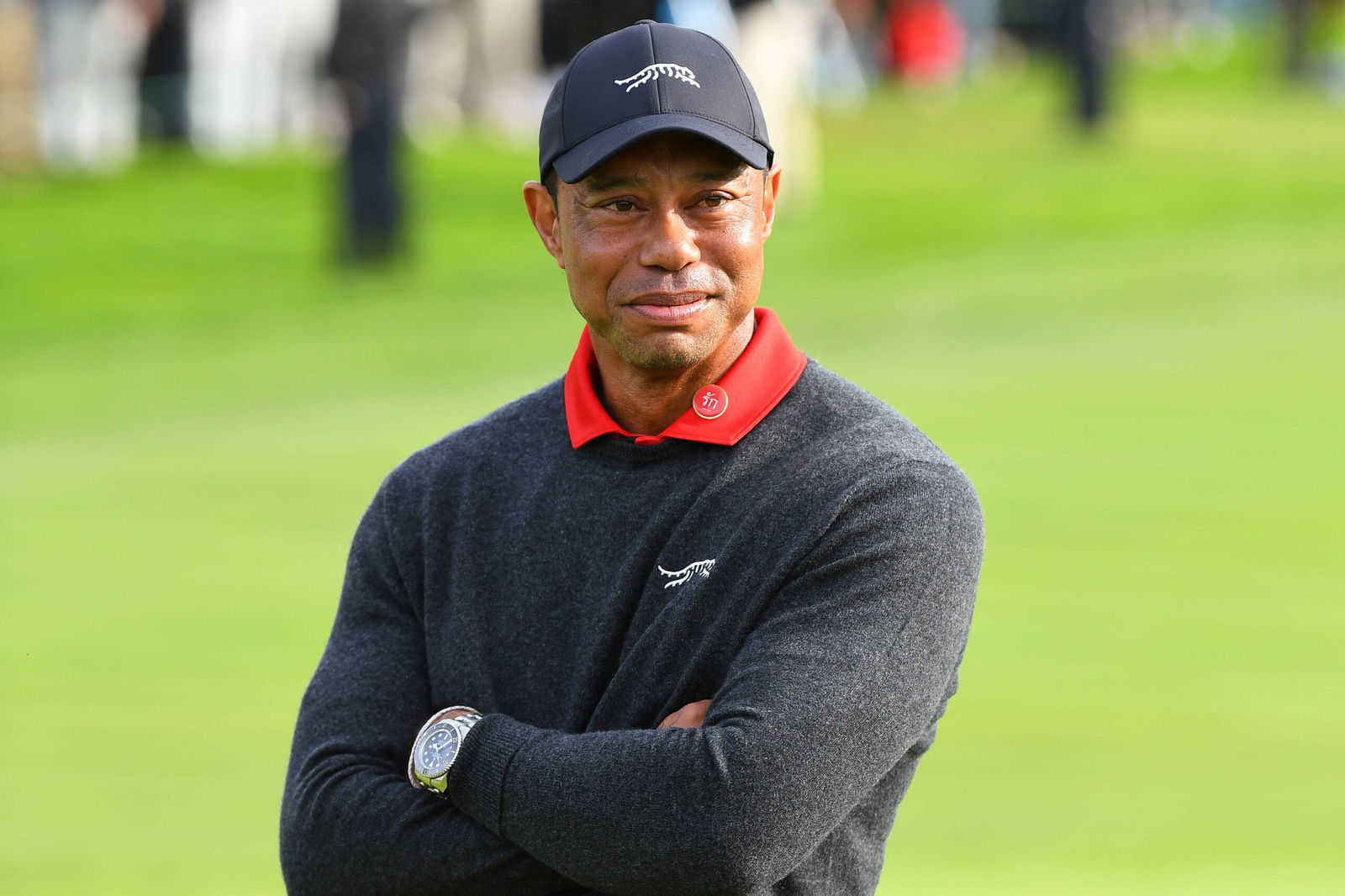
LA JOLLA, CA - FEBRUARY 16: Tiger Woods looks on during the trophy ceremony following the final round of The Genesis Invitational 2025 at Torrey Pines Golf Course on February 16, 2025 in La Jolla, California. Photo by Brian Rothmuller/Icon Sportswire GOLF: FEB 16 PGA, Golf Herren The Genesis Invitational EDITORIAL USE ONLY Icon250216036

The 2000 PGA Championship at Valhalla remains defined by the legendary duel between Tiger Woods and Bob May.

Woods entered the major as the favorite after winning the 2000 U.S. Open by a record 15-shot margin, the largest victory in major history, and claiming The Open Championship at St. Andrews.

“Anytime you get to play against the best, and be able to come out on top against the best, it’s always going to be more satisfying,” Woods said.
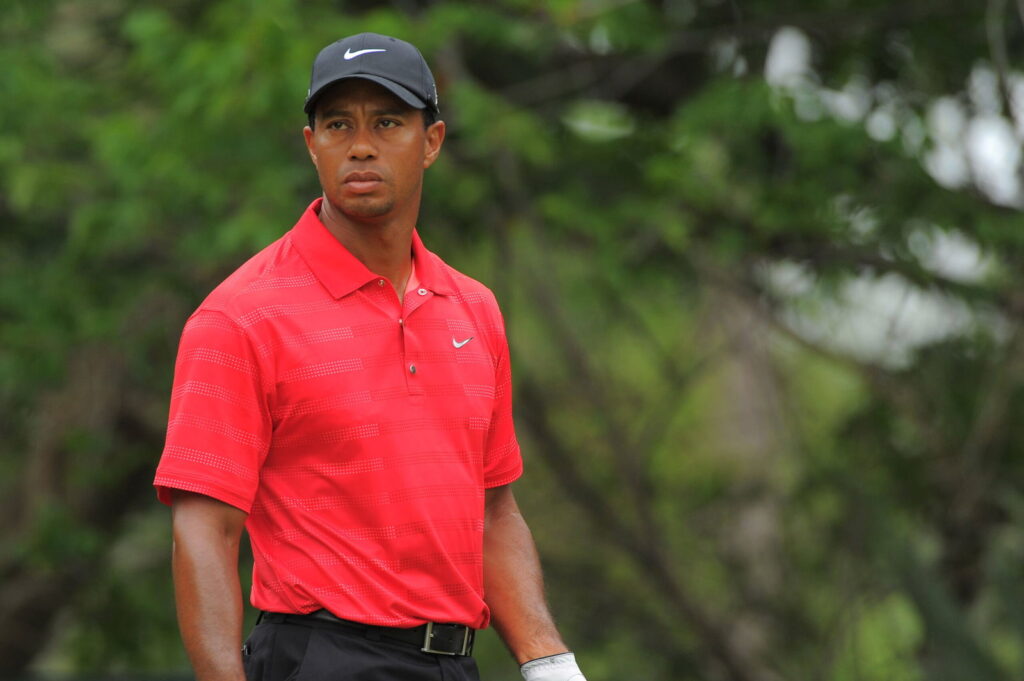
May 13, 2012 - Ponte Vedra, Florida, USA - Tiger Woods during the final round of the Players Championship at the TPC Sawgrass on May 13, 2012 in Ponte Vedra, Fla. ..ZUMA PRESS/ Scott A. Miller. Copyright: xScottxA.xMillerx

On the other hand, May came into the major with considerable experience, even though he had not won on the PGA Tour. He only had an impressive junior golf record in California to back him up.

Woods shared the lead with fellow American Scott Dunlap at the end of the first round. May wasn’t up to Woods’ standards and trailed by five shots when the second round concluded.

“The last two years the PGA Championship has drawn the best field, and I’ve been very fortunate to be able to win. But to be able to tee it up and go toe-to-toe against the best players in the world, that’s what you dream about,” Woods added.

May made his push with seven birdies in a 10-hole stretch and closed within one shot heading into the final round as Woods struggled on the greens. May later opened up a two-shot advantage, but Woods responded to force a playoff and secured the win after a fortunate bounce off a cart path on the final hole.

Woods And May's Career Path

The 2000 PGA Championship was Woods’ third major victory in a row. The 2000 season ended up being his most dominant as he finished with a total of nine PGA Tour titles.

The 2001 Masters win made him complete the “Tiger Slam” as he held all four professional major trophies simultaneously. 

May, on the other hand, finished third at the Reno-Tahoe Open the next week. Moreover, he secured a total of three top-20 finishes that season.

May’s career remained modest compared to Woods, who eventually tied the record with 82 PGA Tour victories.

Both May and Woods have struggled with injuries over the years. May has also tried his hands at PGA Tour Champions but hasn’t been successful.

Their duel at Valhalla will always be remembered.

Read more at Club Golf!

Trending slideshow: Tiger Woods’ 5 Most Unforgettable Shots from the 2000 U.S. Open

Dolly Bhamrick Tiger Woods’ 5 Most Unforgettable Shots from the 2000 U.S. Open
Tiger Woods's legendary 2000 U.S. Open victory at Pebble Beach was historic, not just for his dominance, but for shattering records that stand to this day. Winning by an astounding 15 strokes, he redefined what was possible in the sport, leaving an indelible mark on golf and forever impacting how fans viewed his genius. But a victory of that magnitude isn't built on luck. So, which five shots truly defined this monumental achievement and cemented his place in history? Let's find out. John Mummert/USGA
Woods faced one of Pebble’s toughest shots on No. 6, deep in the rough and staring down a cliffside fairway. He ripped a 7-iron from about 202 yards out of 4-inch rough, over a towering tree and onto the green, prompting NBC’s Roger Maltbie to remark: “It’s just not a fair fight!” That shot set the tone for his week, as he played the first 22 holes without a bogey. USGA/John Mummert
It’s one of the single most replayed shots in U.S. Open history. That shot came during the second round and widened his lead to six shots after two rounds. It’s one of the single most replayed shots in U.S. Open history. That shot came during the second round and widened his lead to six shots after two rounds. IMAGO / Action Plus
A weather delay pushed Woods’ second round into the evening, but darkness didn’t dim his focus. He didn’t tee off until 4:40 p.m. that day. Despite failing light, he holed a 30-foot birdie putt on the 12th hole as darkness fell. Play was suspended shortly after, making that birdie his finishing hole for the round. David Ashdown via IMAGO / The Independent
On the 12th hole, he drained a 30-foot birdie putt and celebrated with his trademark fist pump as Mike Tirico signed off: “Good-Night!” That birdie extended his lead to three strokes at that point. It symbolized his unflappable demeanor; even in near-darkness, he remained precise. David Ashdown via IMAGO / The Independent
On No. 18, Woods hooked his drive into the ocean and let out some colorful language, even drawing a lighthearted comment from Johnny Miller. He regrouped, striped his next drive down the fairway, and managed a bogey-6 after salvaging a birdie on his second ball. What he didn’t know: that second ball was the last one in his bag, forgotten after his putting practice the night before. Under the rules, if he had lost that last ball, he could have been penalized for changing ball type mid-round. Andrew Gombert/European Pressphoto Agency
What Woods didn’t realize? That second ball was the last one in his bag. He and caddie Stevie Williams had forgotten to restock. Williams later admitted he even considered having Tiger hit an iron or sprinting to the pro shop for more balls. It’s one of the few moments in the week where equipment, not just skill, nearly intervened. @United States Golf Association (USGA)/ YouTube
Cruising at 9-under, Woods stumbled on the third hole of Round 3 with a triple-bogey 7. His approach stopped short of the bunker, and it took him two hacks to escape the heavy rough. That lapse was the only triple bogey of his week, yet he still kept a huge lead. Even after that, his composure never wavered, and he kept pushing forward. @United States Golf Association (USGA)/ YouTube
Within a few holes, he clawed back with clutch birdies on 7 and 9, offsetting a bogey on 8. On a brutal day for scoring, his “even-par” round still stretched his lead to 10 shots from six shots. He finished the third round at 71, three strokes ahead of anyone else. His margin after 54 holes (10 shots) remains one of the largest in U.S. Open history. @United States Golf Association (USGA)/ YouTube
With a 10-shot lead heading into the final round, Woods set himself a challenge: go bogey-free. He opened with nine straight pars, then caught fire with four birdies in the next five holes to reach 12-under. He would never be threatened again, finishing 15 shots ahead of the field. He did not make a bogey from hole 10 onward, reaching a total of 26 consecutive holes without a bogey. @United States Golf Association (USGA)/ YouTube
Even when he overshot the 16th green, Woods saved par with a clutch 12-footer and a trademark fist pump. Despite leading by miles, he battled like he was chasing a display of focus and grit that defined his U.S. Open triumph. That par-save preserved his bogey-free back nine, cementing his dominance. His final score of 272 tied the U.S. Open scoring record at the time and set the largest victory margin in a major (15 strokes). Robert Benson/USA Today Sports

Written by

Avishek Sarkar

Edited by

Pulkit Prabhav