
Tiger Woods and Nike: How a 20-Year-Old Pro Helped the Brand Make $300 Million in Two Years
Imago
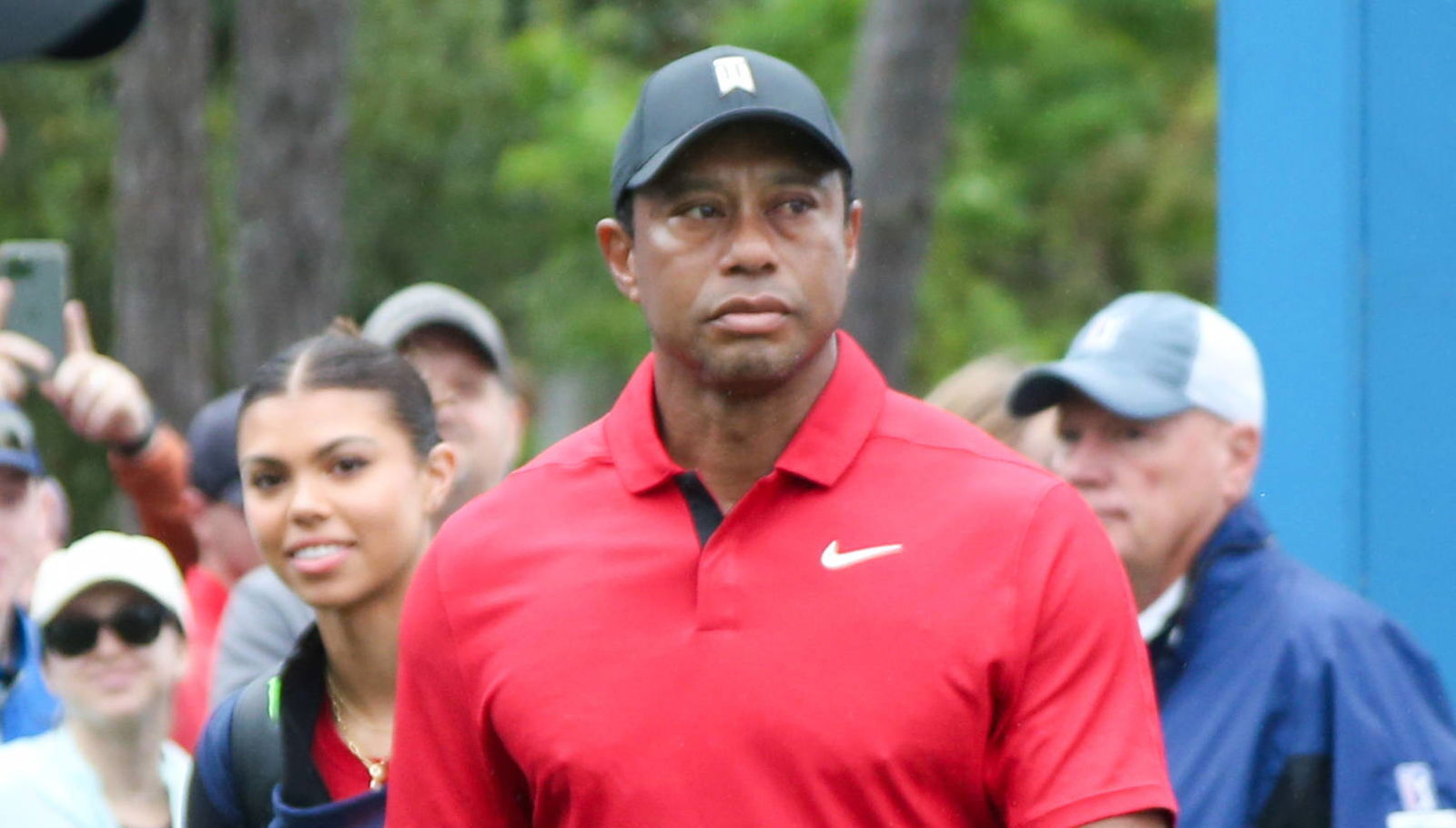
December 17, 2023, Orlando, Florida, USA: Tiger Woods enters the first tee during the final round of the 2023 PNC Championship at Ritz-Carlton Golf Club. Orlando USA - ZUMAw109 20231217_fap_w109_006 Copyright: xDebbyxWongx
Tiger Woods turned professional in August 1996 at age 20 and signed a five-year endorsement agreement with Nike, reportedly worth $40 million. At that point, Nike’s golf division generated around $30 million (estimate) in annual revenue. The partnership placed a rising talent at the center of Nike’s entry strategy into a category where the company had little historical presence. Within two years, the same division was generating about $300 million in revenue, driven by Woods’ rapid ascent and global visibility.
Woods arrived on the professional circuit as a three-time U.S. Amateur champion with broad media attention around his potential. Nike’s ad campaign included the statement “Hello, World”, which introduced Woods as the new face of its golf ambitions. Phil Knight (Nike founder) publicly backed the strategy with confidence in Woods’ ability, treating him as once-in-a-generation talent. The combination of early tournament success and constant broadcast exposure made the Nike logo a recurring presence at the top of leaderboards, accelerating the company’s market position.

Imago
The 2003 Open Championship 030719/ROYAL ST. GEORGES, SANDWICH, UK/PHOTO MARK NEWCOMBE/THE OPEN CHAMPIONSHIP 2003 Tiger Woods moves photographers on the 10th tee portrait face happy and smiling close up The 2003 Open Championship, also known as the 132nd Open Championship, was held from 17 to 20 July 2003 at Royal St George s Golf Club in Sandwich, Kent, England. Copyright: xMarkxNewcombex
The 1997 Masters win acted as an inflection point. Woods won by 12 shots and delivered a historic score at a major championship. The commercial effect was immediate. Retail demand for Nike golf apparel expanded beyond traditional golf markets. The company scaled distribution, developed signature lines, and invested in research tied directly to Woods’ playing requirements.
According to later academic research on Nike golf balls, between 2000 and 2010, Nike recovered about 57 percent of its $181 million investment in Woods through golf ball sales in the United States alone. The findings quantified the endorsement effect in product terms rather than general brand value, supporting what the company saw on the revenue side in the late 1990s.
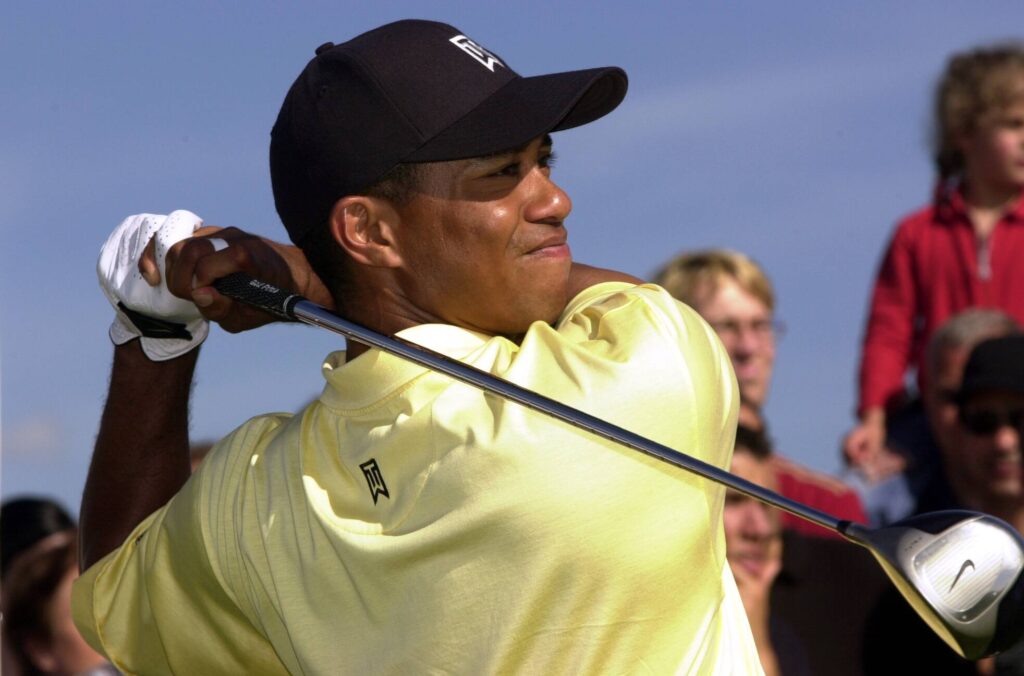
Nike used Woods as a strategic anchor for long-term category building, integrating him into product development cycles. Woods adopted Nike golf balls in 2000, the year he won three major championships. Equipment followed in a staged manner: driver in 2002, more irons and wedges over the next few seasons, full Nike woods set by the mid-2000s, and a Nike Method putter in 2010. Each change aligned with product launches. The company benefited from performance credibility through direct association with victories. That structure helped Nike compete against established golf brands despite entering relatively late.
Imago
Bildnummer: 00975767 Datum: 16.05.2002 Copyright: imago/Sven Simon Eldrick Tiger Woods (USA) schaut seinem Abschlag mit dem Nike-Driver hinterher; quer, close Deutsche Bank SAP Open 2002, TPC of Europe, European PGA-Tour, Golfen, Vdig Heidelberg St. Leon Rot Golf Herren Einzel Deutschland Einzelbild Aktion Personen
Woods’ influence reached beyond equipment adoption. His presence expanded the audience for televised golf and brought younger demographics into the sport, increasing the potential market for apparel and shoes. The growth curve from $30 million to $300 million reflected both direct product demand and broader cultural momentum driven by Woods’ dominance.
After 27 years, Nike confirmed the end of its partnership with Woods in January 2024. The relationship created one of the most commercially significant athlete-brand agreements in sports history. A 20-year-old entering the professional ranks helped build a $300 million business in less than two seasons and reshaped Nike’s role in golf.
Written by

Aditi Singh
Edited by

Joyita Das