Tuesday, June 9, 2026Sports Chronicle
DailyClubGolf

'You Are Who You Are': Golf Expert Offers Simple Advice for Players Battling Nerves
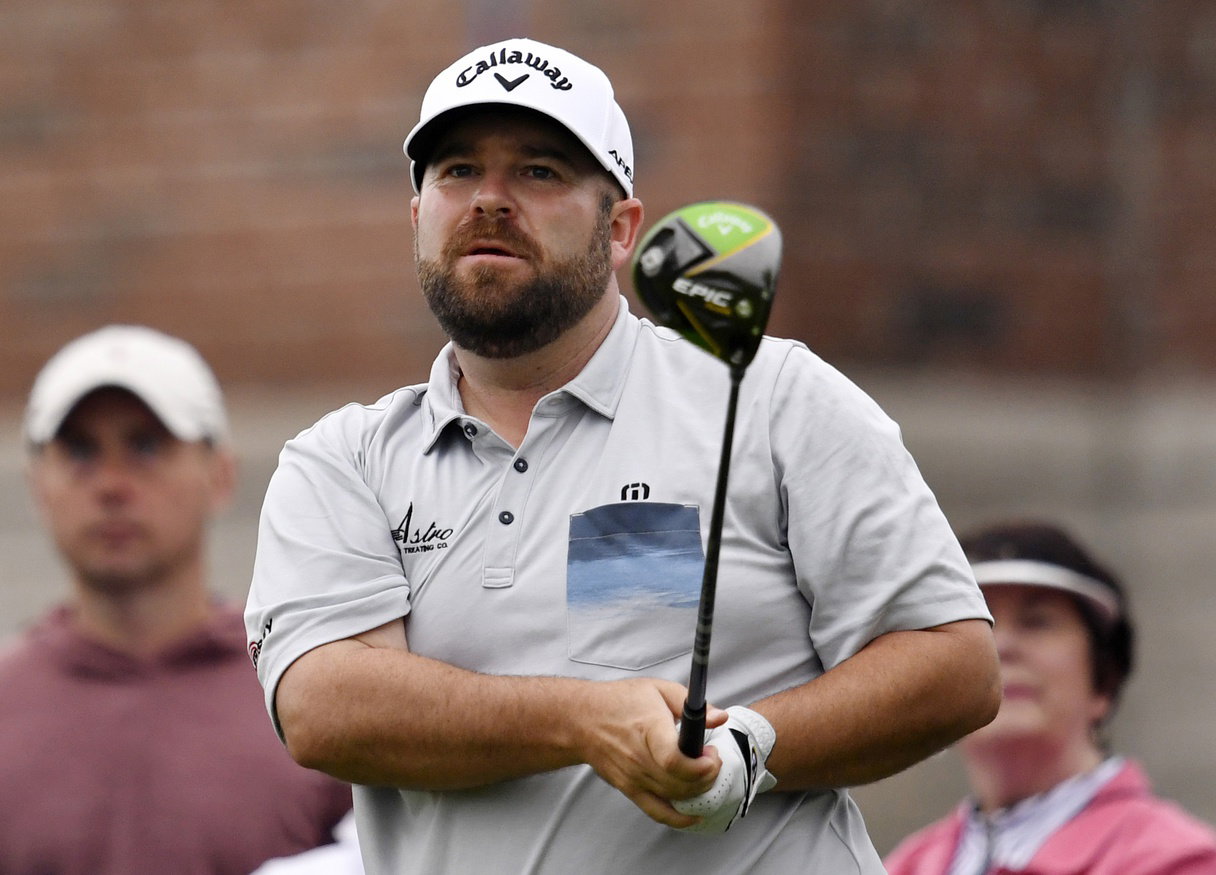
Jun 6, 2019; Hamilton, Ontario, CAN; Colt Knost tees off on the tenth hole during the first round of the 2019 RBC Canadian Open golf tournament at Hamilton Golf & Country Club. Mandatory Credit: Eric Bolte-USA TODAY Sports

With 25 years of experience and clients who have earned more than $500 million across golf, sports psychologist Julie Elion has shared advice for golfers managing first-tee nerves.

Her advice for regular golfers is much easier than many people think.

Elion spoke on Tuesday's episode of Subpar, the GOLF.com podcast hosted by Colt Knost and Drew Stoltz, where the discussion focused on amateur golfers who shoot around 90 despite playing closer to an 80-level golfer in practice.

"Dig deep and try to figure out what is your best competitive state and then choose a few goals," Elion said. "Going up to that first tee, you are who you are and be present with it."

According to her, getting angry at a hooked drive doesn't fix anything. Knowing in advance that nerves are coming and deciding how to handle them does.

"I have a lot of people over the years who have first-tee jitters," Elion said. "So I try to help prepare mentally, knowing that you might feel that and then how you're gonna respond to that. So you're already prepared that those feelings are coming up."

That idea of pre-acceptance, naming the emotion before it arrives, is central to how Elion works at every level.

Tour Pros Credited Julie Elion for Her Work on Their Golf Mindset

The same framework Elion uses with amateur golfers is also employed by Tour pros. Wyndham Clark, Max Homa, and Justin Thomas have publicly credited her and her Center for Athletic Performance Enhancement (CAPE), which operates on a "help the whole person" philosophy, for helping shape their mindsets.

According to Golf.com in 2023, Homa said, “I’ve been working with a sports psychologist, Julie, who has, I mean, the last two months have opened my eyes to a lot of things. Having a plan each day mentally."

During a press conference in the same year, Clark said: "My mental coach, Julie, told me, she goes, 'Every time you hear someone chant 'Rickie,' think of your goals and get cocky and go show them who you are.'"

The Golfer’s Journal reported that Justin Thomas worked with sports psychologist Julie Elion on his mental game at the suggestion of his caddie, Jim “Bones” Mackay.

The full Subpar episode offers a deeper look at Elion's methods.

"If you can keep repeating something about how you wanna feel and go with that," she said, "I think that's gonna serve you better than getting angry that that first drive hooked."

Simple, useful, and trusted by many of the best golfers in the world.

Follow Club Golf for more.

Trending slideshow: 17 Tips to Get Over Putting Yips

Dolly Bhamrick 17 Tips to Get Over Putting Yips
Struggling with shaky hands and missed short putts? The dreaded putting yips can strike any golfer, from weekend warriors to Tour pros. The good news? The yips aren’t permanent. With the right mix of mental reset, practice, and physical adjustments, you can overcome them. Here are some tried-and-tested tips to help you smooth out your stroke and regain control on the greens. Via Imago
Sometimes the yips are more mental than mechanical. A new putter gives you a symbolic reset, a way to break free from negative associations tied to your old one. Even subtle changes in look, weight, or feel can refresh your mindset and restore confidence when you stand over the ball. via Callaway Golf
There’s no shortcut here; consistent short-putt practice is key. Practicing short putts builds trust in your stroke and helps your brain reprogram consistency. Try drills like the “circle drill” or “ladder drill” daily, even five minutes of focused practice can rebuild your rhythm and eliminate hesitation. Mark Newcombe via IMAGO / Visions In Golf
Some golfers swear by using a line on the ball. Align it, trust it, and let it guide your stroke to calm your nerves. Visual cues can quiet mental noise. Use a line or marker on your golf ball to aim precisely where you want it to roll. Once you’ve set your line, commit to it; second-guessing mid-stroke fuels the yips. Trusting your alignment allows your subconscious to take over and execute naturally. Via Indiana Golf Journal
If the yips are mechanical, a small tweak in your stroke could fix them. Don’t be afraid to adjust your setup or motion. Sometimes, the smallest mechanical tweaks can make a world of difference. Try slightly altering your stance, posture, or stroke length to find what feels more natural. Even professional golfers regularly adjust their putting styles to find smoother, more repeatable motions that keep tension at bay. Gregory Vasil via IMAGO / ZUMA Press Wire
Overthinking can be just as bad. If you’re too focused on mechanics, relax and stop analyzing every move. Ironically, too much focus on “perfect mechanics” often triggers the yips. When you start dissecting every wrist angle and shoulder turn, your brain overloads. Instead, keep things simple, focus on rhythm and tempo, instead of perfection. Feel your stroke rather than think your way through it. Mark Newcombe via IMAGO / Visions In Golf
A new grip can completely change the feel. Your grip is your connection to the club, and switching it up can reset old muscle patterns. Try styles like the claw, cross-handed, or arm-lock to find one that minimizes twitching. Each grip engages different muscles, often bypassing the ones that cause involuntary flinches or jerks. @lsumensgolf/ Instagram
If you’re right-handed, try putting your left hand (and vice versa). It can refresh your muscle memory and free up your stroke. Switching to your non-dominant side forces your brain to relearn movement, free from the habits tied to your yipped stroke. It feels awkward at first, but that’s the point. The unfamiliar motion helps you rediscover a smooth, tension-free putting rhythm. @potters_putting/ Instagram
Fear is the biggest driver of the yips. When you’re terrified of missing, your body tenses up before impact. Instead, accept that even pros miss putts. Focus on good execution, not perfection. The less pressure you put on the outcome, the more freely you’ll stroke the ball. Steven Flynn/ActionPlus/Imago
From broomstick to arm-lock to side-saddle, there are many legitimate ways to putt. A different method can completely change how your body moves and feels during the stroke. It’s not about copying someone else; it’s about finding a style that gives you control and comfort. AP/Lindsey Wasson
Holding a small object in your trail hand (like a tee or divot tool) while putting can reduce tension and distract from pressure. It sounds odd, but occupying your trail hand with a small object like a tee distracts your mind from the tension that triggers the yips. This trick engages your focus elsewhere and encourages a smoother, more relaxed stroke, especially under pressure. Reinhold Matay-USA TODAY Sports
Sometimes, the fix isn’t on the green but in your head. Books like Putting Out of Your Mind by Dr. Bob Rotella or The Inner Game of Golf by Timothy Gallwey teach you how to reframe pressure and trust instinct over control. Master your thoughts, and your stroke will follow. Brian Rothmuller/ Icon Sportswire via Imago
Keep your mind on the process rather than the outcome. Smooth stroke first, result second. Many golfers freeze because they’re too obsessed with whether the ball will go in. Shift your mindset: your only goal is to make a smooth, relaxed stroke. When you prioritize feel and flow over the hole’s outcome, your body naturally performs better, and the ball starts finding the cup again. Â Gray Siegel Cal Sport Media via IMAGO / Newscom World
With the help of a fitter, try changing the weight of your putter head or grip size for a better feel. If your putter feels too light or too heavy, it can amplify twitching. Work with a fitter to explore adjustments in grip size, shaft length, or head weight. A heavier putter head can slow down jerky motions, while a larger grip helps reduce hand action and stabilize the stroke. Via G-Rip
A touch of natural movement before or during your stroke can ease tension compared to standing completely still. Standing too still can create excess tension. Incorporate a small waggle, gentle knee flex, or rhythmic sway before your stroke. This keeps your muscles loose and promotes a natural, flowing motion, key ingredients in eliminating the stiffness that fuels the yips. Ceballo via Imago
Just remember, moderation is key. It might sound unconventional, but a little “swing oil” can loosen nerves and help you stop overthinking. Many golfers find that a relaxed, carefree mindset translates into better putting. Of course, moderation is key; you want to relax, not lose focus. Keith Gillett/Icon Sportswire via Imago
Forget the hole for a moment. Inhale, exhale, and make your stroke between breaths to stay calm. Nervous energy often builds up before short putts. Center yourself by syncing your breath with your stroke: inhale during setup, exhale gently as you swing. Controlled breathing lowers your heart rate and quiets anxiety, keeping your body steady through impact. Brian Spurlock/Icon Sportswire via Imago
Hit 10 putts with your wedge, then switch to your putter for five putts. Repeat, it can help improve feel and touch. This clever drill helps you rediscover feel and touch. Hit 10 putts with your wedge; it forces you to make softer, more deliberate contact, then switch back to your putter. Alternating like this resets your hands and helps you focus on controlling distance rather than steering the ball. Brian Spurlock/ Icon Sportswire via Imago

Written by

Sneha Abraham

Edited by

Pulkit Prabhav