
Top 3 Alister MacKenzie Designed Golf Courses
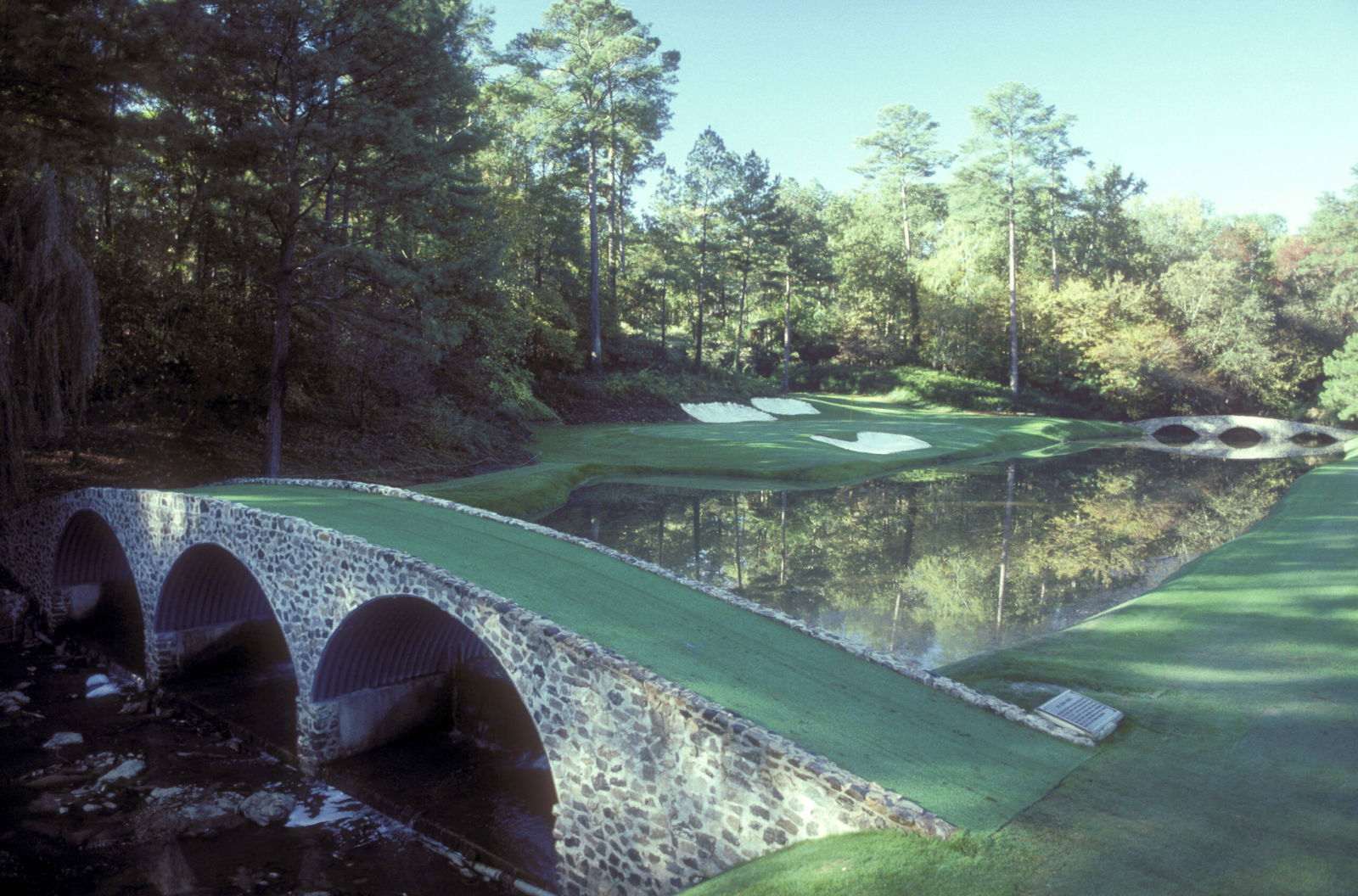
Emphasizing strategy, visual deception, and the use of natural land, Alister MacKenzie became one of the most influential architects in the history of golf. With a significant impact on over 100 golf courses worldwide, three courses surpass everything else.
Cypress Point Club
Located in Pebble Beach, California, the Cypress Point Club is one of Alister MacKenzie’s masterpieces. Co-designed by Robert Hunter, the course opened up in 1929, and ever since then, it has consistently stayed at the top of the list. Yes, it still holds the #1 spot on the Top 100 Golf Courses.
The course uniquely blends forest, dunes, and dramatic Pacific Ocean terrain, routing holes through the Del Monte forest before emerging onto cliffs and seaside landscapes that test every shot. Using the natural landform, MacKenzie created a flow that ends a way back to the clubhouse.
But the 16th hole is the most iconic feature of Cypress Point Club. It’s a par-3 where one simply can’t hit the ball more than 200 yards into the wind. It exemplifies MacKenzie’s philosophy of offering multiple ways to play the hole. As an extremely exclusive private club with around 250 members, access is limited.
Royal Melbourne Golf Club
The West Course at the Royal Melbourne marks MacKenzie’s premier inland design. It’s one of his premier inland designs. Completed in 1931, the course has been praised for its strategic choices and minimalist shaping that uses the natural terrain of Victoria, Australia. Right now, it sits at the #2 spot.
Alister MacKenzie partnered with Alex Russell to design this course in Australia. And the duo put emphasis on strategy and ground play. Built on sandy soil, the bunkers are especially intimidating. But with a good strategy, golfers can plan a good escape route. This reinforces Mackenzie’s core belief that golf should reward decision-making rather than brute power.
Augusta National Golf Club
Situated in Georgia, Augusta National stands as one of the most iconic and exclusive courses in the world. But it has become the highlight as the home of The Masters Tournament. Back in the 1930s, MacKenzie built it with a clear vision of strategic challenge, aesthetic beauty, and year-round conditioning.
Augusta National demands that golfers prioritize shot placement, angles, and control over long shots. Holes like the par-5 13th and par-3 12th exemplify this approach. This is why Herbert Warren Wind, in 1958, called holes 11, 12, and 13 “Amen Corner.”
Cypress Point Club, Royal Melbourne Golf Club, and Augusta National Golf Club capture the essence of MacKenzie’s architectural genius.
Written by

Krushna Pattnaik
Edited by

Sagnik Bagchi